Hives, also called urticaria, are raised, itchy welts that can appear suddenly on the skin. They may be red, pink, or skin-colored and often change shape or location within hours. Hives happen when the body releases histamine and other chemicals into the bloodstream, causing small blood vessels to leak fluid under the skin.
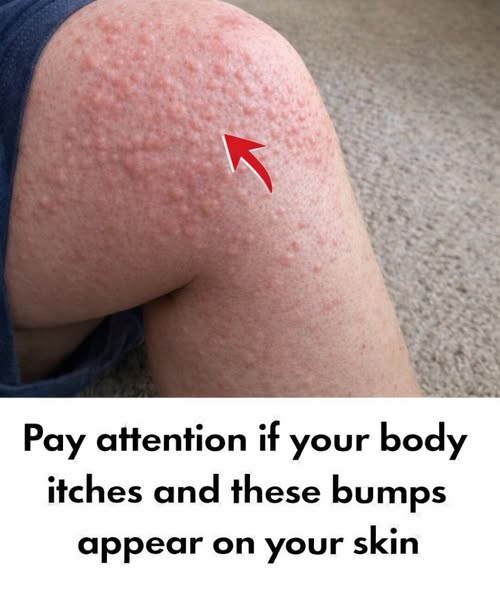
While many people think hives are only caused by allergies, the triggers can be much more surprising.
Here are some common — and unexpected — causes:
- Food Allergies
Classic triggers include nuts, shellfish, eggs, and milk. But even healthy foods like strawberries or tomatoes can cause hives in sensitive individuals. - Medications
Antibiotics, pain relievers (like NSAIDs), and even some supplements may trigger hives in certain people. - Infections
Viral infections are one of the most common causes of hives, especially in children. You can develop hives even without obvious cold or flu symptoms. - Stress and Anxiety
Emotional stress can trigger the release of chemicals in the body that lead to hives. Stress-related hives are more common than many people realize. - Heat or Sweating
Hot showers, exercise, or being in warm environments can cause small itchy hives known as cholinergic urticaria. - Cold Exposure
Cold air, cold water, or holding cold objects can trigger hives in people with cold urticaria. - Pressure on the Skin
Tight clothing, sitting for long periods, or carrying heavy bags can cause delayed pressure hives. - Sunlight
Some people develop hives after sun exposure, a condition called solar urticaria. - Hormonal Changes
Fluctuations during menstruation, pregnancy, or menopause can sometimes trigger hives. - Unknown Causes
In many cases, especially with chronic hives (lasting more than six weeks), no clear trigger is found. This is called chronic idiopathic urticaria.
When Hives Are an Emergency
Seek immediate medical care if hives are accompanied by:
• Swelling of the lips, tongue, or throat
• Difficulty breathing
• Dizziness or fainting
This could indicate anaphylaxis, a severe allergic reaction.
What You Can Do
• Avoid known triggers
• Use cool compresses
• Wear loose clothing
• Consider over-the-counter antihistamines (after consulting a healthcare provider)
• Track outbreaks to identify patterns
If hives persist for more than a few days, return frequently, or last longer than six weeks, consult a doctor. Blood tests or allergy evaluations may be needed.
Hives can look alarming, but most cases are temporary and manageable. Understanding your triggers is the key to prevention and relief.