
Many people think discomfort, bloating, or weakness in the lower abdomen is normal and something to ignore. In reality, this area plays a major role in your overall health. The lower abdomen is home to vital muscles, organs, and systems that affect digestion, posture, circulation, energy levels, and even mood. When this area is neglected, the effects can show up all over the body.
The lower abdomen supports your core, which helps keep your spine stable and your posture strong. Weak or tense muscles in this region can contribute to lower back pain, hip discomfort, and poor balance. Strengthening and caring for this area can improve how you move, sit, and stand throughout the day.
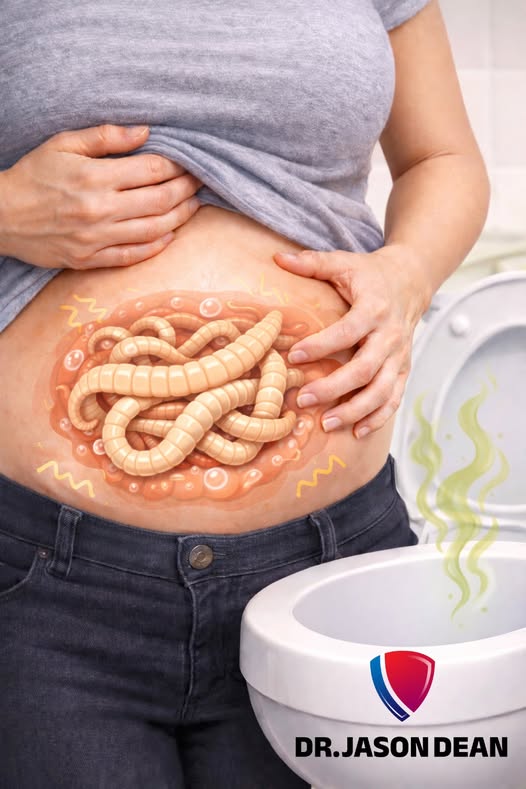
Digestion is another key reason this area matters. The lower abdomen houses parts of the intestines that are responsible for nutrient absorption and waste elimination. When digestion slows down due to poor diet, dehydration, stress, or inactivity, it can lead to bloating, gas, and a constant feeling of heaviness. Supporting gut health with fiber-rich foods, water, and gentle movement can make a noticeable difference.
This area is also closely connected to circulation and fluid balance. When blood flow and lymphatic movement are poor, swelling and discomfort may appear. Simple habits like walking, stretching, and deep breathing help activate these systems naturally and support better overall function.
For many people, stress shows up in the lower abdomen first. Shallow breathing, anxiety, and long periods of sitting can cause this area to tighten. Over time, that tension can affect digestion, sleep, and energy. Learning to breathe deeply and relax the core can calm the nervous system and help the body reset.
Taking care of your lower abdomen doesn’t require extreme routines. Balanced meals, regular movement, proper hydration, good posture, and mindful breathing all work together to protect this “prime real estate.” When you support this area daily, your whole body benefits in ways you can feel.