Red spots on your skin can look small and harmless, but sometimes they are your body’s early warning signs. The key is to notice their size, color, texture, and whether they change over time. Not all red spots mean something serious, but some should never be ignored.
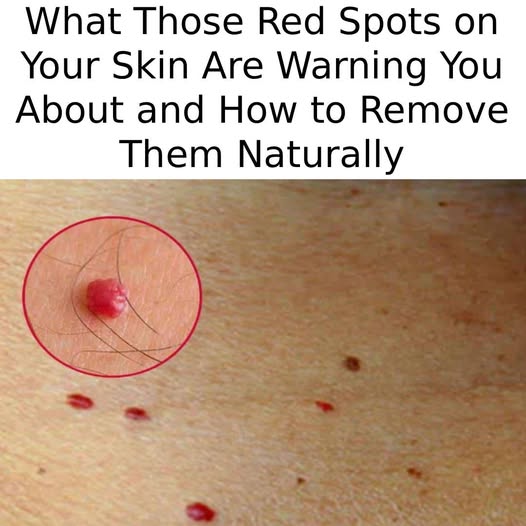
One common cause is tiny bright-red dots called cherry angiomas. These are small clusters of blood vessels close to the surface of the skin. They are usually harmless and become more common with age. They do not need treatment unless they bleed often or bother you cosmetically.
Another possibility is petechiae, which are very small red or purple dots that do not fade when you press on them. These can appear after intense coughing or minor injury, but if they show up suddenly without reason, they may signal a blood clotting issue or infection and should be checked by a doctor.
Red, itchy patches may be eczema or allergic reactions. These often appear after contact with certain soaps, foods, fabrics, or environmental triggers. Hives are raised, red, itchy welts that can come and go quickly and are usually linked to allergies or stress.
Small red bumps around hair follicles may be folliculitis, often caused by bacteria, sweat buildup, or shaving irritation. On the other hand, rough red patches that slowly grow, bleed, or do not heal could rarely be signs of skin cancer and require medical attention.
In some cases, red spots may relate to internal issues. Liver disease can sometimes cause spider-like red patterns on the skin. Autoimmune conditions and vitamin deficiencies may also show early signs on the skin.
How to help naturally depends on the cause.
If the red spots are due to irritation or allergy, start by removing possible triggers. Switch to fragrance-free soaps and detergents. Avoid very hot showers, which can worsen redness. Apply pure aloe vera gel to soothe inflamed skin. Coconut oil may help moisturize dry, irritated areas, but avoid it if you have acne-prone skin.
For small inflammatory bumps, keeping the area clean and dry is important. Tea tree oil diluted with a carrier oil can help reduce mild bacterial irritation. Eating foods rich in vitamin C and antioxidants can support skin healing. Staying hydrated also helps your skin repair itself.
If red spots are linked to heat or sweat, wear loose cotton clothing and keep your skin cool and dry. For stress-related skin flare-ups, improving sleep and managing stress can reduce repeated outbreaks.
However, you should see a doctor if the red spots spread quickly, are painful, bleed easily, do not fade when pressed, come with fever or fatigue, or change in shape and size. Natural remedies are helpful for mild skin irritation, but they are not a substitute for medical diagnosis in serious conditions.
Your skin often reflects what is happening inside your body. Instead of ignoring red spots, observe them carefully. When your skin changes, it is often your body’s way of asking for attention.