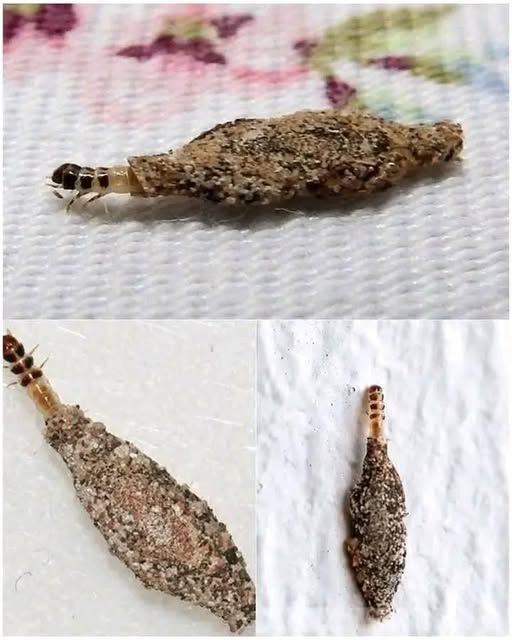
Finding strange clusters of eggs in your garden can be alarming. While many insect eggs are harmless, some can signal invasive or destructive species that may damage plants quickly.
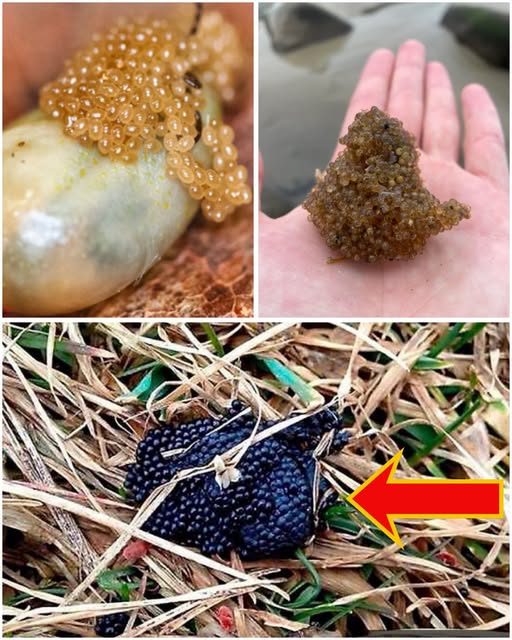
One example people are often warned about is the egg masses of the Spotted lanternfly. These eggs look like grayish, mud-like patches stuck to tree trunks, fences, rocks, or outdoor furniture. When they hatch, the insects feed on plant sap and can seriously damage trees, vines, and crops.
Another common garden egg cluster comes from the Brown marmorated stink bug. Their eggs are small, light green, and laid in neat clusters on the underside of leaves. While not dangerous to humans, they can harm fruits and vegetables.
You may also see jelly-like clusters in moist soil or near water. These are often snail or slug eggs. They look like small, clear or white pearls grouped together. Large numbers can lead to plant damage as the young hatch and feed on leaves.
What should you do?
First, avoid touching unknown eggs with bare hands. Wear gloves if you plan to remove them.
Second, identify them before acting. Not all insect eggs are harmful — some belong to beneficial insects like ladybugs.
Third, if they are from an invasive species, local agricultural authorities often recommend scraping them into a sealed bag with alcohol or soapy water to destroy them.
Fourth, monitor your plants for damage after removal.
Why acting quickly matters
Invasive insects multiply fast. A single egg mass can produce dozens of pests. Early removal can prevent a larger infestation later.
However, not every egg cluster is a threat. Awareness is important — but so is correct identification. When in doubt, take a clear photo and contact a local gardening extension office for guidance.
Your garden’s health depends on quick action and informed decisions.