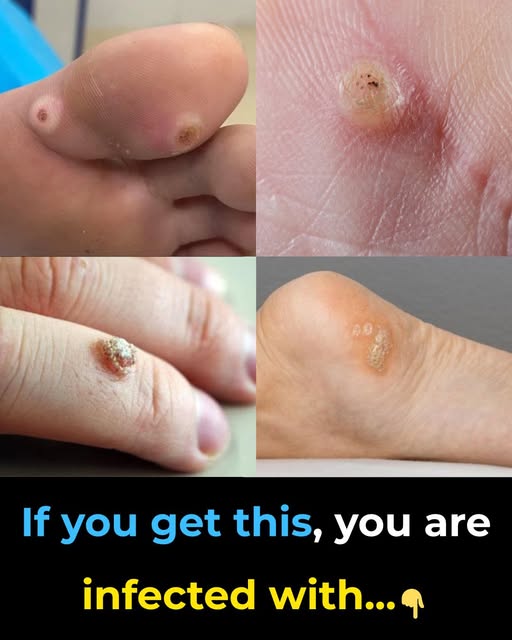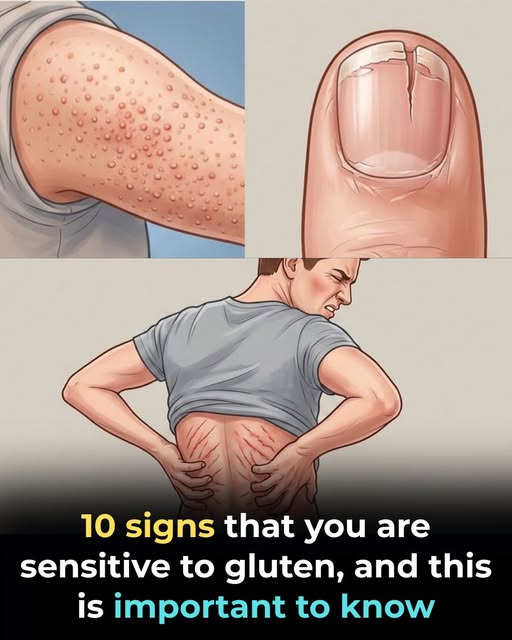
It sounds like you’re referring to Shingles, which is caused by the varicella-zoster virus (VZV) — the same virus that causes chickenpox. After a person recovers from chickenpox, the virus can remain dormant in nerve cells for decades. Later in life, or when the immune system is weakened, it can reactivate and cause herpes zoster, commonly known as shingles.
Here’s what you should know:
What Triggers Shingles Activation
Shingles is not caused by poor hygiene or minor stress alone, but certain factors can weaken the immune system and allow the virus to reactivate:
- Aging – The immune system naturally weakens with age, especially after 50.
- Stress and Fatigue – Chronic stress or prolonged physical exhaustion can reduce immune defenses.
- Illness or Immunosuppression – Conditions like diabetes, cancer, or medications that suppress immunity increase risk.
- Physical Trauma or Surgery – Sometimes, nerve injury or surgery can trigger reactivation in nearby nerves.
Symptoms of Shingles
- Pain, Tingling, or Burning – Often one of the first signs, before any rash appears.
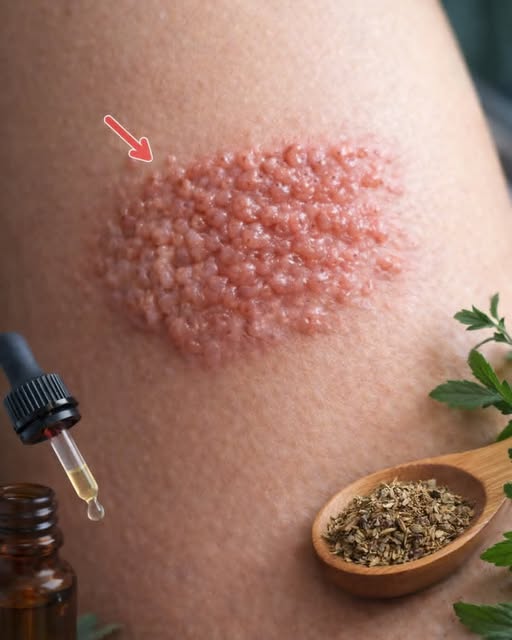
- Red Rash – Usually appears on one side of the body in a band-like pattern.
- Blisters – Small fluid-filled blisters that crust over in 7–10 days.
- Fever, Headache, or Fatigue – Mild flu-like symptoms can accompany the rash.
Complications
- Postherpetic Neuralgia (PHN) – Persistent nerve pain after the rash heals, which can last weeks to months.
- Eye Involvement – Shingles around the eye (ophthalmic shingles) can threaten vision if untreated.
- Secondary Infections – Scratching blisters can lead to bacterial skin infections.
Prevention and Management
- Vaccination – The shingles vaccine significantly reduces the risk of developing the disease and severe complications.
- Early Treatment – Antiviral medications (like acyclovir, valacyclovir) are most effective when started within 72 hours of rash onset.
- Pain Relief – Over-the-counter painkillers or prescribed nerve pain medications may help.
- Healthy Immune Support – Balanced diet, proper sleep, and stress management support immune defenses.
Important: Shingles is not spread through casual contact, but someone who has never had chickenpox or the vaccine could get chickenpox if they touch the shingles rash.
If you notice tingling, burning, or a rash, especially if you are over 50 or have a weakened immune system, see a healthcare provider promptly. Early antiviral treatment can reduce severity and complications.