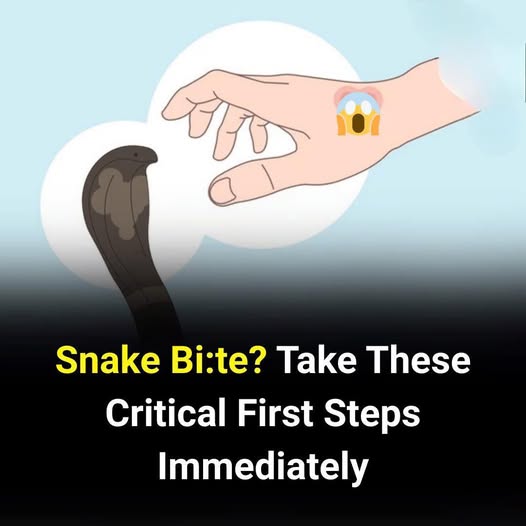
A snake bite can be frightening, but staying calm and acting quickly can save a life. Not all snake bites are venomous, but you should always treat every bite as a medical emergency until proven otherwise.
Here are the first and most important steps to take:
Stay calm and limit movement
Panic increases heart rate, which can spread venom faster through the bloodstream. Keep the person as still and calm as possible.
Call emergency services immediately
Seek urgent medical care. Antivenom treatment is often required for venomous bites and must be given in a hospital setting.
Keep the bitten area still
Immobilize the affected limb with a splint if possible. Keep it at heart level — not raised high and not hanging down.
Remove tight items
Take off rings, bracelets, or tight clothing near the bite site before swelling begins.
Clean the wound gently
If possible, lightly wash with clean water. Do not scrub or apply chemicals.
What NOT to do 🚫
Do not cut the wound.
Do not try to suck out the venom.
Do not apply ice.
Do not use a tourniquet unless specifically instructed by medical professionals.
Do not attempt to catch the snake — this increases risk of another bite.
Watch for symptoms
Signs of venomous bites may include severe pain, swelling, bruising, nausea, difficulty breathing, blurred vision, or weakness.
In some regions, venomous species like cobras or vipers can cause serious complications, including tissue damage or systemic poisoning. Severe untreated envenomation can lead to complications such as Snakebite envenomation, which requires urgent treatment.
After reaching medical care
Doctors may monitor vital signs, perform blood tests, and administer antivenom if needed. The sooner treatment begins, the better the outcome.
The key message:
Stay calm, limit movement, and get medical help immediately. Quick and correct action can make the difference between recovery and serious complications.