
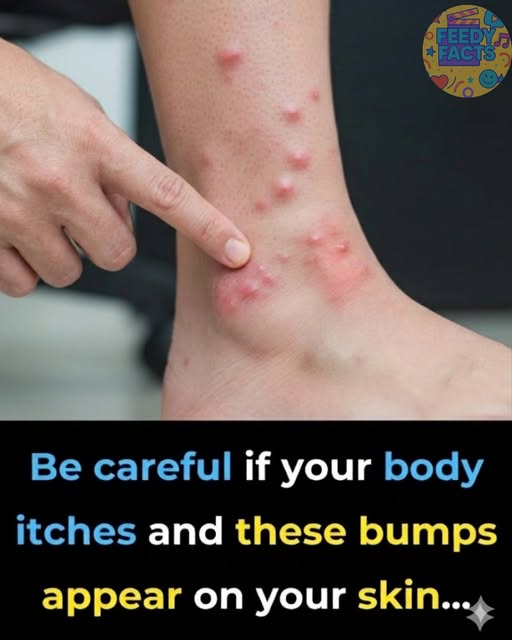
Hives are itchy, raised welts that suddenly appear on the skin. The medical term for hives is Urticaria. They can show up anywhere on the body and may last for minutes, hours, or sometimes days.Many people think hives only come from allergies, but there are several surprising triggers that can cause them.
🍓 1️⃣ Certain Foods
Food allergies are one of the most common causes of hives. Some frequent triggers include:
• Nuts
• Shellfish
• Eggs
• Strawberries
• Dairy products
The immune system may react to these foods and release histamine, causing itchy bumps on the skin.
💊 2️⃣ Medications
Some medications can trigger hives as a side effect or allergic reaction.
Examples include:
• Antibiotics
• Pain relievers
• Anti-inflammatory drugs
If hives appear soon after starting a new medication, a doctor should be consulted.
🌡️ 3️⃣ Temperature Changes
Sudden exposure to heat or cold can sometimes cause hives.
Examples:
• Cold air or cold water
• Hot showers
• Intense sweating during exercise
This type is sometimes called temperature-induced urticaria.
😰 4️⃣ Stress and Anxiety
Emotional stress can affect the immune system and trigger skin reactions. Some people develop hives during stressful periods or after emotional shocks.
🐶 5️⃣ Animal Dander or Environmental Allergens
Allergens in the environment can also cause hives, including:
• Pet fur or dander
• Dust mites
• Pollen
• Mold
These substances can irritate the immune system and trigger allergic reactions.
🦠 6️⃣ Infections
Sometimes hives are triggered by infections in the body, including viral or bacterial illnesses. The immune response during illness can cause the skin to react.
⚠️ When to Seek Medical Help
You should seek medical care immediately if hives are accompanied by:
• Difficulty breathing
• Swelling of the lips, tongue, or throat
• Severe dizziness
These symptoms could indicate Anaphylaxis, which requires urgent medical treatment.
✨ The key takeaway: Hives can have many triggers—from foods and medications to stress and temperature changes. Identifying the cause is often the first step toward preventing future outbreaks.