It’s tempting to believe that one natural food can replace medications. Chayote, from the plant Sechium edule, is a healthy vegetable — but it is not a cure-all, and it should never replace prescribed treatment without medical guidance.
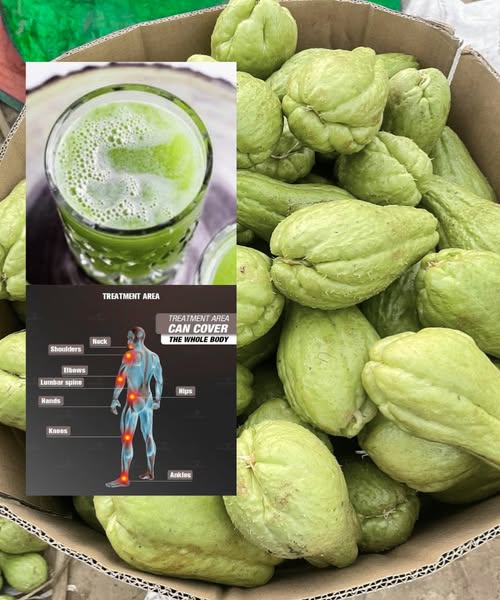
That said, chayote does offer real nutritional benefits.
Chayote is low in calories and rich in fiber. Fiber supports digestion, helps regulate blood sugar, and may contribute to heart health. It also contains potassium, a mineral that helps balance sodium levels in the body. This balance can support healthy blood pressure when combined with an overall balanced diet.
Because chayote is high in water content, it may help reduce mild fluid retention as part of a healthy eating plan. Eating more vegetables like chayote instead of highly processed foods can also support weight control, which indirectly reduces stress on the knees and joints.
Chayote also contains antioxidants and vitamin C, which help fight inflammation in the body. While this may support joint comfort over time, it does not “eliminate” arthritis or rebuild damaged cartilage.
Important reality check:
• Knee pain from arthritis involves joint wear and inflammation that cannot be reversed by one vegetable.
• Swollen feet may be caused by circulation issues, kidney problems, or heart conditions.
• High blood pressure often requires lifestyle changes and sometimes medication to prevent serious complications like stroke or heart attack.
Chayote can be part of a heart-healthy diet. You can steam it, add it to soups, sauté it lightly with olive oil, or include it in salads. Pair it with other vegetables, lean proteins, and whole grains for better overall results.
Never stop prescribed medication without speaking to your doctor. Food supports health, but it does not replace necessary medical treatment.
The smarter message is this: Add chayote to your plate — but don’t throw away your prescriptions without professional advice. Balanced nutrition works best alongside proper medical care, not instead of it.