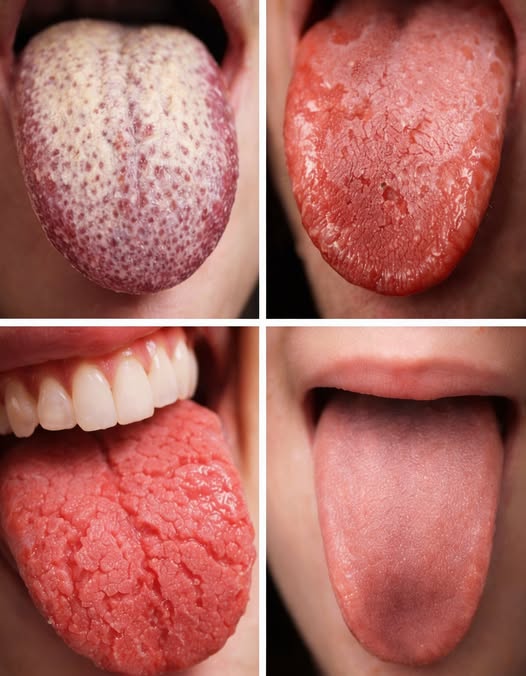
The liver is one of the hardest-working organs in your body. It filters toxins, processes nutrients, supports digestion, and helps regulate hormones. The reason liver disease is sometimes called a “silent” problem is because early damage may not cause obvious pain. However, your body often gives warning signs long before severe failure happens.
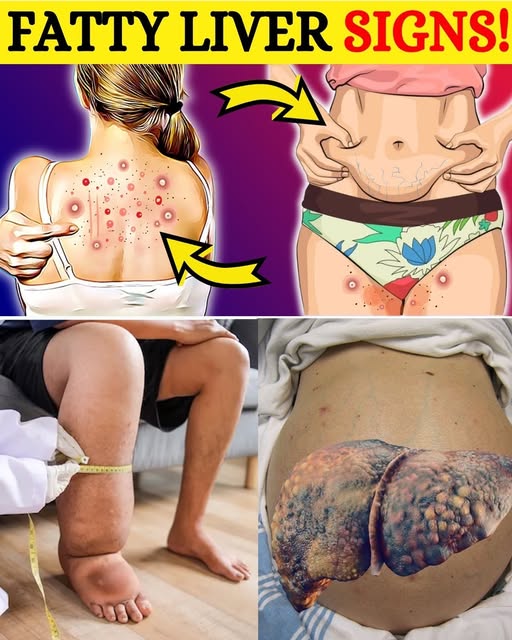
- Constant fatigue. Ongoing tiredness and weakness can be an early sign that the liver is struggling to process toxins efficiently.
- Yellowing of the skin or eyes (jaundice). When the liver cannot properly process bilirubin, the skin and whites of the eyes may turn yellow. This is a serious symptom that needs immediate medical attention.
- Dark urine or pale stool. Changes in urine or stool color can signal bile flow problems linked to liver dysfunction.
- Swelling in the abdomen or legs. Fluid buildup, known as edema or ascites, may occur when the liver is severely damaged.
- Persistent itching. Unexplained itching all over the body can be related to bile salt buildup under the skin.
- Nausea and loss of appetite. Ongoing digestive upset, especially combined with other symptoms, should not be ignored.
- Easy bruising or bleeding. The liver produces proteins that help blood clot. When it’s damaged, bruising may happen more easily.
- Confusion or brain fog. In advanced liver disease, toxins can build up in the bloodstream and affect brain function, leading to memory problems or confusion.
It’s important to understand that these symptoms do not automatically mean your liver is “dying.” Many liver conditions, including fatty liver disease and hepatitis, can be managed or even reversed when detected early.
Regular checkups, liver function tests, maintaining a healthy weight, limiting alcohol, avoiding unnecessary medications, and eating a balanced diet are key to protecting your liver.
If you experience persistent or severe symptoms, seek medical care promptly. Early diagnosis can prevent serious complications and protect this vital organ before irreversible damage occurs.