Have you noticed that with age your arms look thinner, your legs feel weaker, or climbing stairs becomes harder than before? This gradual loss of muscle mass and strength is called sarcopenia — and it can start as early as your 30s, accelerating after 60.
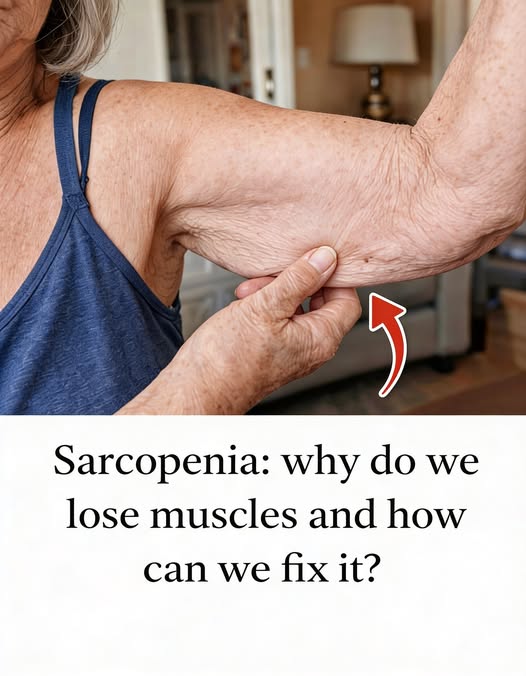
It’s not just about appearance. Muscle loss affects balance, mobility, metabolism, and even independence.
Let’s break it down clearly.
🔎 Why Do We Lose Muscle?
1️⃣ Aging Process
As we age, the body naturally produces less growth hormone and testosterone. Muscle protein synthesis slows down, making it harder to maintain muscle mass.
2️⃣ Physical Inactivity
Muscles follow the “use it or lose it” rule. Long periods of sitting, bed rest, or lack of resistance exercise speed up muscle breakdown.
3️⃣ Low Protein Intake
Many adults — especially seniors — don’t eat enough high-quality protein. Without enough building blocks, muscles shrink.
4️⃣ Chronic Inflammation
Low-grade inflammation linked to aging and chronic diseases contributes to muscle tissue breakdown.
5️⃣ Hormonal Changes
Reduced insulin sensitivity and changes in hormones like estrogen and testosterone affect muscle preservation.
6️⃣ Neurological Changes
With age, nerve cells that stimulate muscle fibers decline, causing muscle fibers to weaken or die.
⚠️ Signs of Sarcopenia
• Weak grip strength
• Difficulty rising from a chair
• Slower walking speed
• Frequent falls
• Visible muscle thinning
• Low stamina
If untreated, sarcopenia increases the risk of fractures, disability, and loss of independence.
💪 How to Correct and Reverse Sarcopenia
The good news? Muscle loss is not inevitable. You can slow it — and even reverse some of it.
1️⃣ Strength Training Is Essential
Resistance exercises (weights, resistance bands, bodyweight squats, push-ups) stimulate muscle growth. Even people in their 70s and 80s can rebuild strength with consistent training 2–3 times per week.
2️⃣ Increase Protein Intake
Aim for about 1.0–1.2 grams of protein per kilogram of body weight daily (sometimes more for older adults). Include eggs, fish, chicken, beans, yogurt, and lentils.
3️⃣ Vitamin D Matters
Low vitamin D is linked to muscle weakness. Safe sun exposure and supplementation (if prescribed) can help.
4️⃣ Stay Physically Active Daily
Walking, climbing stairs, and simple mobility exercises support muscle maintenance.
5️⃣ Adequate Calories
Undereating accelerates muscle loss. Balanced nutrition is critical.
6️⃣ Manage Chronic Conditions
Control diabetes, heart disease, and inflammatory conditions with medical guidance.
🧠 Important Reminder
Sarcopenia is not just a “normal part of aging” — it’s a treatable condition. Early action makes a huge difference.
If you’re over 50, strength training may be one of the most powerful “medicines” you can take for longevity, independence, and quality of life.