Most people throw orange peels straight into the trash — but they actually contain concentrated nutrients and natural compounds that can be surprisingly useful.
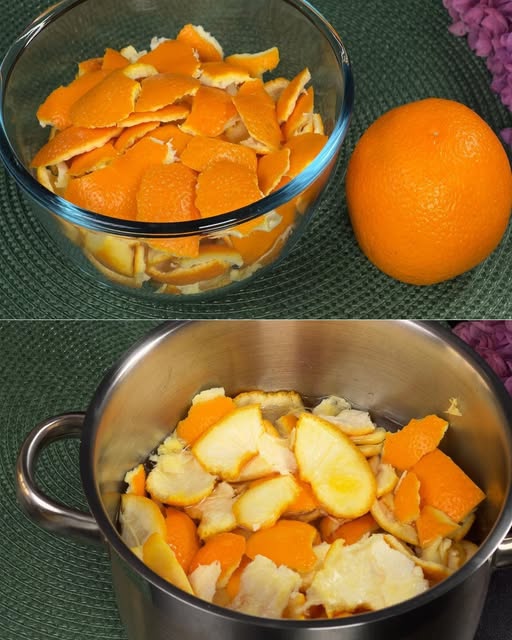
Orange peels are rich in antioxidants, vitamin C, and plant compounds like flavonoids. In fact, the peel often contains more fiber than the juicy part inside. The natural oils in the peel, especially d-limonene, give oranges their strong scent and have antibacterial properties.
Here’s why they’re more powerful than you think:
They support digestion
Orange peels contain fiber that may help improve gut health and reduce bloating when consumed in small, safe amounts (like in tea or grated zest).
They may support heart health
Some studies suggest compounds in citrus peels may help reduce cholesterol levels when included as part of a balanced diet.
They have natural antimicrobial effects
The oils in orange peel may help fight certain bacteria and fungi.
They can brighten skin naturally
Dried orange peel powder is sometimes used in homemade face masks to gently exfoliate and refresh dull skin. However, it should always be used carefully to avoid irritation.
They work as a natural deodorizer
Because of their strong citrus oils, peels can freshen rooms, refrigerators, and even garbage bins.
They repel insects
The natural oils in orange peel may help deter ants and mosquitoes.
Important note ⚠️
Always wash oranges thoroughly before using the peel, as the outer skin may contain pesticide residue. Organic oranges are best if you plan to consume or apply the peel.
Orange peels aren’t magic — but they’re definitely underrated. Sometimes what we consider waste holds more value than we realize.