
Knee osteoarthritis is one of the most common joint problems, especially after age 40. It happens when the protective cartilage that cushions the knee joint slowly wears down. Catching the symptoms early can help slow progression and reduce long-term pain.
Here are 5 common warning signs to watch for:
1️⃣ Persistent Knee Pain
Pain is usually the first sign. It may start as mild discomfort during walking, climbing stairs, or standing for long periods. Over time, the pain can become more frequent—even during rest.
2️⃣ Stiffness, Especially in the Morning
If your knee feels stiff when you wake up or after sitting for a long time, and it takes several minutes to “loosen up,” this could be an early symptom.
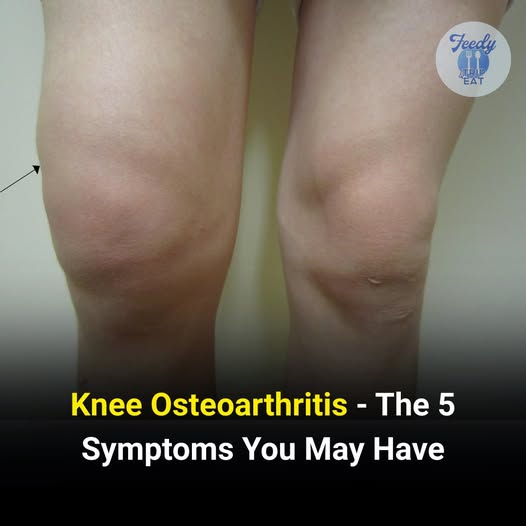
3️⃣ Swelling Around the Joint
Inflammation can cause visible swelling or a feeling of tightness in the knee. The area may also feel warm to the touch.
4️⃣ Crunching or Grinding Sensation
Some people notice a cracking, popping, or grinding feeling when bending the knee. This happens when cartilage wears down and bones rub more closely together.
5️⃣ Reduced Range of Motion
If you find it harder to fully bend or straighten your knee, or if movements feel restricted, it may signal joint degeneration.
💡 When to See a Doctor
If knee pain lasts more than a few weeks, worsens over time, or interferes with daily activities, it’s important to seek medical advice. Early diagnosis can help manage symptoms with lifestyle changes, physical therapy, weight management, or medication.
Taking action early can make a big difference in protecting your joint health and maintaining mobility.
Knee osteoarthritis is one of the most common joint problems, especially after age 40. It happens when the protective cartilage that cushions the knee joint slowly wears down. Catching the symptoms early can help slow progression and reduce long-term pain.
Here are 5 common warning signs to watch for:
1️⃣ Persistent Knee Pain
Pain is usually the first sign. It may start as mild discomfort during walking, climbing stairs, or standing for long periods. Over time, the pain can become more frequent—even during rest.
2️⃣ Stiffness, Especially in the Morning
If your knee feels stiff when you wake up or after sitting for a long time, and it takes several minutes to “loosen up,” this could be an early symptom.
3️⃣ Swelling Around the Joint
Inflammation can cause visible swelling or a feeling of tightness in the knee. The area may also feel warm to the touch.
4️⃣ Crunching or Grinding Sensation
Some people notice a cracking, popping, or grinding feeling when bending the knee. This happens when cartilage wears down and bones rub more closely together.
5️⃣ Reduced Range of Motion
If you find it harder to fully bend or straighten your knee, or if movements feel restricted, it may signal joint degeneration.
💡 When to See a Doctor
If knee pain lasts more than a few weeks, worsens over time, or interferes with daily activities, it’s important to seek medical advice. Early diagnosis can help manage symptoms with lifestyle changes, physical therapy, weight management, or medication.
Taking action early can make a big difference in protecting your joint health and maintaining mobility.