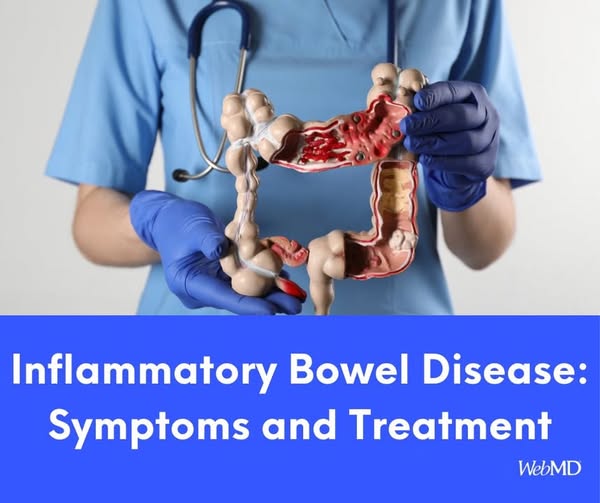
Inflammatory Bowel Disease (IBD) is a long-term condition that causes ongoing inflammation in the digestive tract. The two main types are Crohn’s disease and Ulcerative colitis. Although they share similar symptoms, they affect the digestive system in different ways. Crohn’s disease can affect any part of the digestive tract from the mouth to the anus, while ulcerative colitis mainly affects the colon and rectum.
Symptoms of Inflammatory Bowel Disease
The symptoms can range from mild to severe and often come and go in periods called flare-ups and remission.
Common symptoms include persistent diarrhea, which may contain blood or mucus, abdominal pain and cramping, urgent need to use the bathroom, fatigue and weakness, and unexplained weight loss. Many people also experience reduced appetite, fever during flare-ups, and anemia due to blood loss.
Some people develop symptoms outside the digestive system. These can include joint pain, skin rashes, eye inflammation, and mouth ulcers. In children and teenagers, IBD can sometimes slow growth and delay puberty.
Causes and Risk Factors
The exact cause of IBD is not fully understood. It is believed to involve a problem with the immune system, where the body mistakenly attacks its own digestive tract. Genetics can play a role, and environmental triggers such as infections, stress, smoking (especially in Crohn’s disease), and diet may worsen symptoms.
How It Is Diagnosed
Doctors usually diagnose IBD using blood tests, stool tests, colonoscopy, imaging scans like CT or MRI, and biopsy of intestinal tissue. Early diagnosis is important to prevent complications.
Treatment Options
There is no permanent cure for IBD yet, but treatment can control inflammation, reduce symptoms, and help patients live a normal life.
Medications are the main treatment. These may include anti-inflammatory drugs such as aminosalicylates, corticosteroids to control flare-ups, immune system suppressors, and biologic therapies that target specific parts of the immune response. Biologic medicines have greatly improved long-term outcomes for many patients.
Lifestyle changes are also important. Eating a balanced diet, avoiding trigger foods, staying hydrated, reducing stress, and quitting smoking can help manage symptoms. During flare-ups, a low-fiber or soft diet may reduce irritation.
In more severe cases, surgery may be needed to remove damaged parts of the intestine. Surgery can sometimes cure ulcerative colitis if the colon is removed, but Crohn’s disease can still return even after surgery.
When to See a Doctor
Seek medical care if you have ongoing diarrhea for more than a few weeks, blood in your stool, severe abdominal pain, persistent fatigue, or unexplained weight loss. Early treatment reduces the risk of complications such as strictures, fistulas, malnutrition, and colon cancer.
With proper medical care, many people with IBD can manage their symptoms and live full, active lives. If you’d like, I can also explain the difference between Crohn’s disease and ulcerative colitis in a simple comparison chart.