Many people worry when their partner sleeps facing away from them, but in most cases it doesn’t mean something negative. Sleeping positions often reflect comfort, habits, or sleep quality rather than relationship problems.
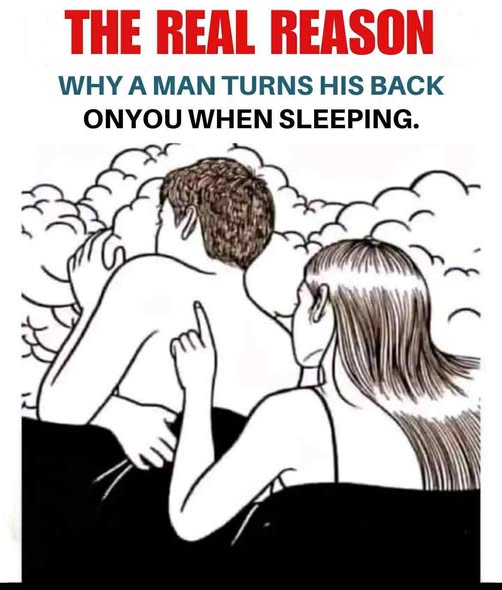
Here are some common interpretations.
1️⃣ It May Simply Be About Comfort
People naturally change positions during sleep to stay comfortable. Turning away may help relieve pressure on the neck, back, or shoulders and allow better breathing.
Many individuals prefer sleeping on their side for physical comfort.
2️⃣ It Can Indicate Trust and Security
In some relationship psychology studies, couples who sleep back-to-back often still feel secure and comfortable with each other. It can mean both partners are relaxed enough to sleep deeply without constant physical contact.
3️⃣ They May Be Trying to Sleep Better
Sleep quality is strongly linked to personal space. Facing away might reduce disturbances such as body heat, movement, or breathing sounds, which helps maintain healthy sleep patterns linked to the Circadian rhythm.
4️⃣ Temperature Preferences
Some people turn away because they feel too warm. Facing outward can help regulate body temperature and improve comfort during the night.
5️⃣ Habit or Natural Sleep Position
Everyone has a natural sleeping posture. Some people have slept the same way for decades, long before they met their partner.
⚠️ When It Might Mean Something More
Sleeping positions alone rarely reflect relationship problems, but if turning away is combined with:
- Lack of communication
- Emotional distance
- Avoiding physical affection
then it might be worth discussing feelings openly.
✅ Bottom line:
If your partner sleeps facing away, it usually just means they’re trying to get comfortable or sleep better, not that they care less about you. Healthy relationships are better measured by communication and daily behavior, not sleeping positions.