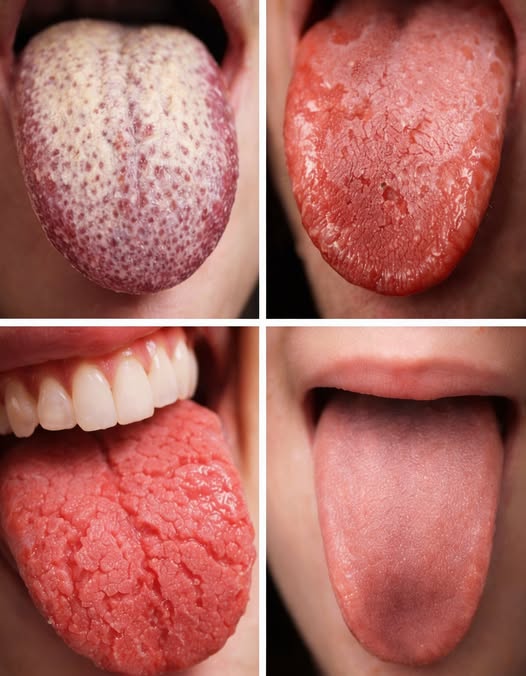
Waking up with a dry mouth occasionally is normal. But if it happens often — especially in the early morning hours — it could signal an underlying issue.

Here are the most common reasons:
- Mouth Breathing
This is the number one cause. If your nose is blocked (allergies, sinus congestion, deviated septum), you may breathe through your mouth during sleep. That dries out saliva quickly.
It’s more noticeable in the second half of the night because saliva production naturally decreases while you sleep.
- Snoring or Sleep Apnea
Dry mouth can be an early sign of obstructive sleep apnea. This condition causes repeated pauses in breathing. Many people with sleep apnea breathe through their mouths.
Warning signs include:
• Loud snoring
• Morning headaches
• Daytime fatigue
• Waking up gasping
Organizations like the National Sleep Foundation emphasize that untreated sleep apnea increases risk of heart disease and high blood pressure.
- Dehydration
If you’re not drinking enough fluids during the day — or consuming alcohol or caffeine late — your body may struggle to maintain saliva levels overnight.
- Medication Side Effects
Many common medications cause dry mouth, including:
• Blood pressure medications
• Antidepressants
• Antihistamines
• Diuretics
This is especially common after age 60.
- Blood Sugar Issues
Frequent nighttime dry mouth combined with excessive thirst and frequent urination may indicate elevated blood sugar levels. This should be checked.
Why It Matters
Chronic dry mouth increases risk of:
• Tooth decay
• Gum disease
• Bad breath
• Mouth infections
Saliva protects your teeth and oral tissues. Without it, bacteria grow more easily.
How to Correct It
✔ Drink adequate water during the day
✔ Avoid alcohol before bed
✔ Use a humidifier at night
✔ Treat nasal congestion
✔ Consider a dental mouthguard if recommended
✔ Get evaluated for sleep apnea if symptoms match
When to See a Doctor
If dry mouth happens nightly, is combined with snoring or choking during sleep, or comes with unexplained fatigue, it’s worth medical evaluation.
The Bottom Line
Waking up with dry mouth is often harmless — but when it’s persistent, your body may be signaling breathing issues, medication side effects, or metabolic imbalance.