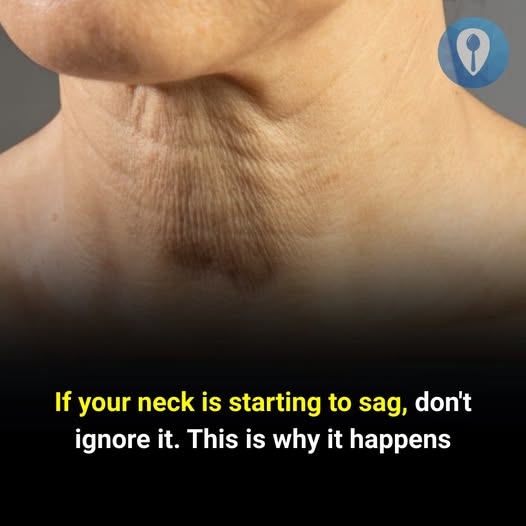
Many people notice it after 40 or 50. The jawline softens. The neck looks less firm. The skin may start to sag or wrinkle. While it can feel sudden, neck skin loosening is usually a gradual and natural process.
Here are the main reasons it happens:
- Loss of Collagen and Elastin
Collagen keeps skin firm. Elastin keeps it tight and flexible. After about age 30, collagen production decreases every year. As levels drop, the skin becomes thinner and less elastic, leading to sagging. - Sun Damage
The neck is often exposed to sunlight but rarely protected with sunscreen. UV rays break down collagen faster, causing premature aging and loose skin. - Natural Aging
Fat distribution changes with age. Muscles under the chin and neck may weaken. Gravity also plays a role over time. - Weight Loss
Significant or rapid weight loss can leave behind loose skin, especially if skin elasticity is already reduced. - Posture (Tech Neck)
Constantly looking down at phones and devices creates repeated creases. Over time, this can contribute to lines and skin laxity. - Genetics
Some people naturally have thinner skin or are more prone to early sagging.
What You Can Do
Use sunscreen daily on your neck, just like your face.
Apply moisturizer and products containing retinoids or peptides to support collagen production.
Do gentle neck-strengthening exercises to improve muscle tone.
Maintain stable weight and stay hydrated.
Eat protein-rich foods and vitamin C to support collagen.
Realistic Expectations
No cream can fully tighten loose neck skin overnight. Results from skincare take months. For significant sagging, medical treatments like radiofrequency therapy, ultrasound therapy, or surgical procedures may be options — but those require consultation with a professional.
The Bottom Line
Loose neck skin is usually a normal part of aging, not a sign that something is wrong inside your body. Prevention and consistency are more powerful than quick fixes.