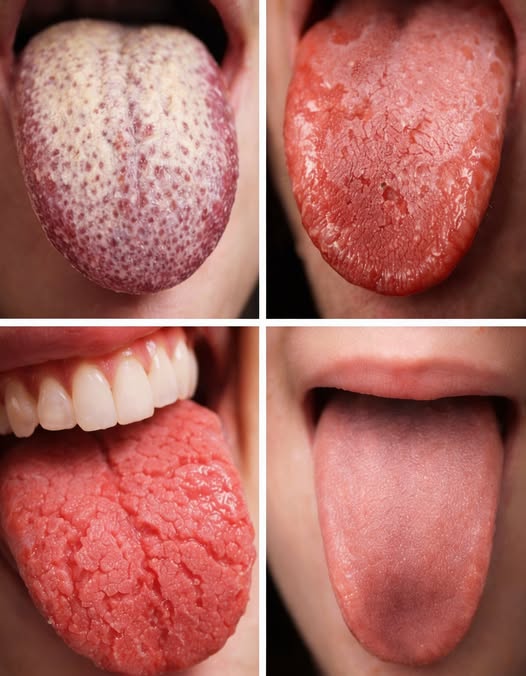
Not every dark patch on the skin is dangerous. Many are harmless and caused by sun exposure, aging, or hormonal changes. But certain types of darkened skin can sometimes be linked to serious underlying conditions — including cancer.
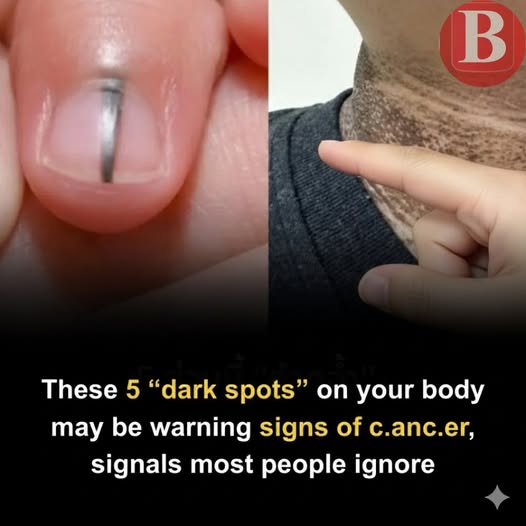
Here are five types you shouldn’t ignore:
1️⃣ A rapidly changing dark mole
A new mole or one that changes in size, shape, or color could be a warning sign of Melanoma.
Watch for the ABCDE signs:
• Asymmetry
• Border irregularity
• Color variation
• Diameter larger than 6 mm
• Evolving over time
2️⃣ Dark, thickened skin folds
Velvety dark patches around the neck, armpits, or groin may be Acanthosis nigricans.
In many cases, it’s linked to insulin resistance. But in rare situations — especially when it appears suddenly in older adults — it may be associated with internal cancers, particularly stomach cancer.
3️⃣ A dark streak under a nail
A brown or black line under the nail that isn’t from injury could be a sign of subungual melanoma (a rare form of melanoma).
If the streak widens or the pigment spreads to the surrounding skin, seek medical evaluation.
4️⃣ Dark patches inside the mouth
Unusual dark spots on the gums, tongue, or inner cheeks can sometimes signal oral melanoma or other oral cancers.
Persistent patches that don’t go away within two weeks should be checked.
5️⃣ Sudden widespread pigmentation with weight loss
If dark patches appear along with unexplained weight loss, fatigue, or digestive issues, doctors may investigate for internal malignancies.
One rare example is Addison’s disease, which causes skin darkening due to hormone imbalance — though it is not cancer, it can signal serious endocrine problems.
🚨 When to see a doctor immediately:
• The patch grows quickly
• It bleeds or becomes painful
• Borders are irregular
• Color changes unevenly
• You have other unexplained symptoms
Important reminder:
Most dark patches are not cancer. But sudden, changing, or unusual pigmentation deserves professional evaluation. Early detection of conditions like Melanoma dramatically improves survival rates.
Your skin is often the first place your body shows warning signs. Don’t ignore changes that feel different from your normal.