
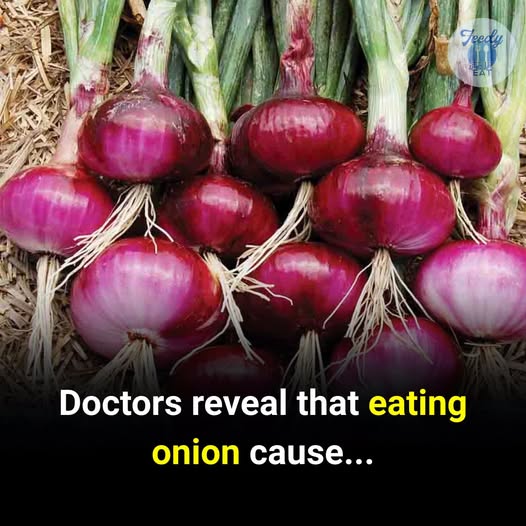
Onions are one of the most common foods in the kitchen — but they’re also packed with powerful plant compounds.Health experts from the Mayo Clinic and the Harvard T.H. Chan School of Public Health note that onions contain antioxidants and nutrients that may support overall health when eaten regularly.
Here’s what happens when you eat onions daily 👇
1️⃣ Supports Heart Health ❤️
Onions contain flavonoids like quercetin, which may help:
• Reduce inflammation
• Support healthy blood pressure
• Improve cholesterol balance
They also contain potassium, which helps regulate blood pressure.
2️⃣ Helps Control Blood Sugar 🩸
Some research suggests onions may:
• Improve insulin sensitivity
• Support stable blood sugar levels
This can be helpful for people managing prediabetes or diabetes — but they should still monitor portions.
3️⃣ Boosts Immunity 🛡️
Onions are rich in:
• Vitamin C
• Antioxidants
• Natural antibacterial compounds
These nutrients help the body fight infections and reduce oxidative stress.
4️⃣ Supports Gut Health 🌿
Onions contain prebiotic fiber (inulin), which:
• Feeds healthy gut bacteria
• Improves digestion
• Supports regular bowel movements
A healthy gut affects energy, immunity, and even mood.
5️⃣ May Reduce Inflammation 🔥
The antioxidants in onions help neutralize free radicals — which are linked to chronic diseases and aging.
⚠️ Possible Side Effects
Eating onions daily is safe for most people, but some may experience:
• Bloating or gas
• Acid reflux
• Bad breath
People with sensitive stomachs or IBS may need to limit raw onions.
💡 Raw or Cooked?
• Raw onions contain more active compounds
• Cooked onions are easier to digest
• Light cooking preserves many benefits
✅ The Bottom Line
Eating onions daily can support heart health, blood sugar balance, digestion, and immunity — as part of a balanced diet.
They’re simple, affordable, and surprisingly powerful.
As always, moderation matters — and variety in your diet is key.