Many people throw away tomatoes the moment they become soft or wrinkled, but not all tomatoes that look “bad” are truly useless. In fact, overripe tomatoes can still be valuable when used correctly. The key is knowing the difference between overripe and spoiled.
Overripe tomatoes that are soft, deeply red, and slightly mushy are often richer in lycopene, a powerful antioxidant linked to heart health and cellular protection. These tomatoes can be safely used in cooked foods like sauces, soups, and stews, where heat breaks them down and enhances flavor.
Cooking overripe tomatoes is one of the best ways to use them. When simmered, their natural sweetness intensifies, making them perfect for homemade tomato sauce, soup bases, or blended into stews. They also reduce food waste and save money.
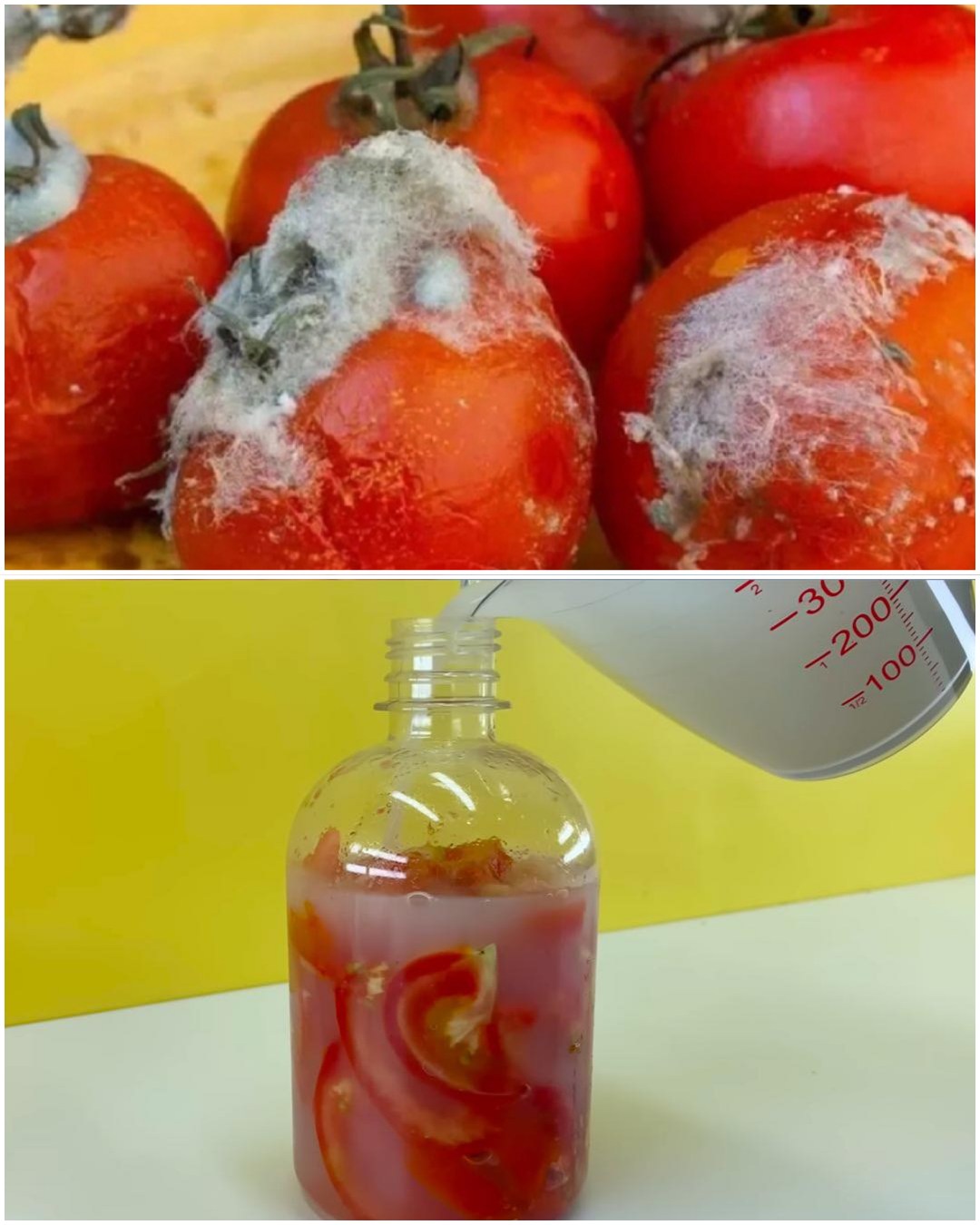
However, tomatoes that show mold, a sour smell, leaking liquid, or black spots should always be discarded. Mold can spread toxins through the fruit, even if it’s only visible on one spot. These are not safe to eat under any circumstances.
Another smart use for overripe (but not moldy) tomatoes is composting. They break down quickly and enrich soil with nutrients, helping gardens grow healthier plants.
The takeaway is simple: don’t throw away tomatoes just because they’re soft or wrinkled—but never risk using ones that are truly spoiled. Knowing the difference helps you save money, reduce waste, and still enjoy the nutritional benefits tomatoes offer.