First, let’s understand what Botox really is. Botox is a purified form of botulinum toxin used in cosmetic medicine to relax facial muscles. By reducing muscle movement, it softens expression lines and wrinkles, especially on the forehead and around the eyes. Its effect is clinically studied and temporary, usually lasting 3–6 months.
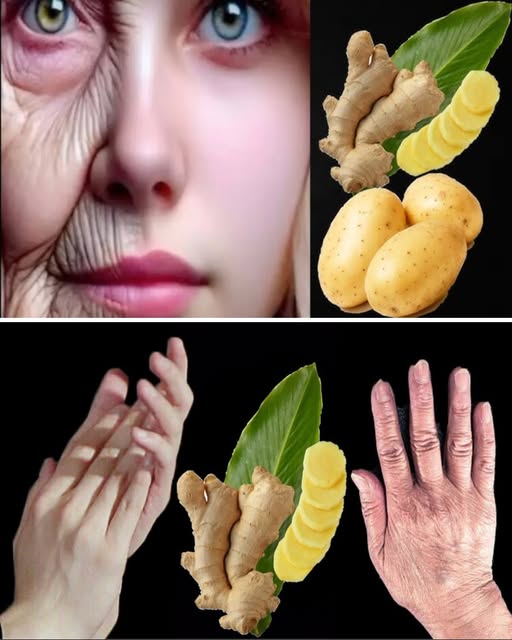
Now, what about ginger?
Ginger is a powerful natural root known for its anti-inflammatory and antioxidant properties. It contains compounds like gingerol that help fight free radicals, which contribute to skin aging. Because of this, ginger can:
• Support healthier-looking skin
• Improve circulation
• Reduce mild inflammation
• Brighten dull skin
• Help with minor pigmentation over time
However, there is no scientific evidence that ginger is “100 times more powerful than Botox” or that it can remove deep wrinkles the way Botox does. Ginger does not relax facial muscles, which is the main mechanism Botox uses to smooth deep expression lines.
Freckles and dark spots are usually caused by sun exposure, genetics, or hormonal changes. While ginger may slightly brighten skin due to its antioxidant effects, it cannot erase deep pigmentation like medical treatments such as chemical peels, laser therapy, or prescription creams.
That said, ginger can still be a helpful natural skincare ingredient when used safely. Some people apply diluted ginger juice mixed with honey or yogurt as a face mask once a week. But it must always be patch-tested first, because ginger can irritate sensitive skin.
The truth is simple:
Ginger is healthy and beneficial for skin support.
Botox is a medical treatment designed specifically for wrinkle reduction.
They work in completely different ways.
If deep wrinkles, dark spots, or pigmentation concern you, it’s best to speak with a dermatologist to choose a safe and proven treatment.
Natural remedies can support your skin — but exaggerated claims should always be questioned.