
You may have seen dramatic headlines like this online. While it grabs attention, the truth about medications and heart health is more complex. No responsible heart surgeon would issue a blanket warning about a “common pill” without context, because medications affect people differently — especially seniors.
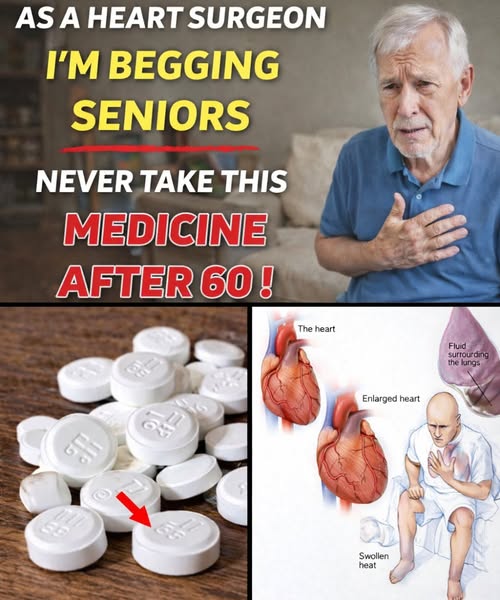
One group of medications often discussed in heart health conversations is non-steroidal anti-inflammatory drugs (NSAIDs), such as Ibuprofen. These are widely used for pain and inflammation. In older adults — particularly those with existing heart disease, high blood pressure, or kidney problems — frequent or high-dose use of certain NSAIDs may increase the risk of fluid retention, higher blood pressure, and strain on the heart.
That does not mean these medicines are “poison” or that everyone should stop taking them. It means seniors should use them cautiously and under medical supervision.
Another example is some decongestants found in cold medicines, which can raise blood pressure and heart rate. For seniors with cardiovascular disease, even over-the-counter pills can have stronger effects than expected.
Why seniors are more vulnerable:
• The heart muscle may already be weaker with age
• Kidney function naturally declines over time
• Many seniors take multiple medications, increasing interaction risk
• Sodium and fluid balance becomes more sensitive
The real warning is not about one single pill — it’s about unsupervised use. Seniors should:
• Avoid long-term self-medication without a doctor’s guidance
• Read labels carefully, especially for blood pressure warnings
• Inform doctors about all medications and supplements they take
• Schedule regular heart checkups
Never stop a prescribed medication suddenly without speaking to your doctor. In many cases, heart medications are life-saving and carefully chosen based on individual health needs.
If a senior experiences new swelling, shortness of breath, chest pain, sudden weight gain, or irregular heartbeat after starting a medication, medical attention should be sought promptly.
The bottom line: Medications can help or harm depending on the person, the dose, and the condition. Smart supervision — not fear — is what protects senior hearts.