Headlines like this are designed to shock you. In reality, most sleeping positions are safe for healthy adults. However, there are certain situations where sleep position does matter — especially for babies and people with specific medical conditions.
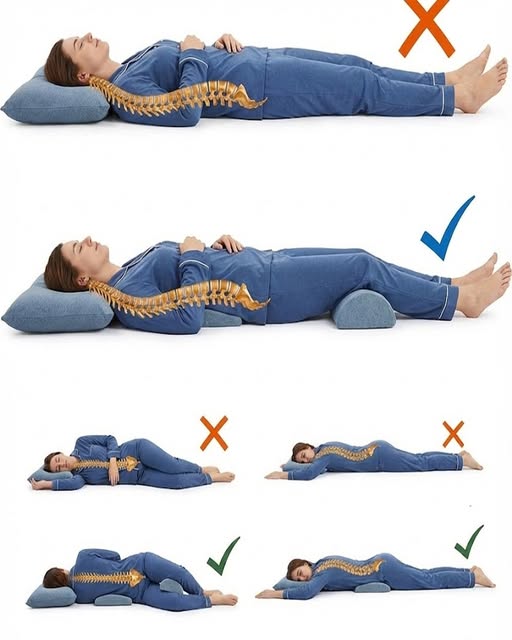
Here’s what you should really know:
1. Babies Sleeping on Their Stomach
For infants, sleeping face down significantly increases the risk of Sudden Infant Death Syndrome (SIDS). That’s why pediatric guidelines strongly recommend placing babies on their backs to sleep on a firm, flat surface without loose bedding.
This warning is critical for infants — but it does not apply the same way to healthy adults.
2. Severe Sleep Apnea and Sleeping on the Back
People with untreated obstructive sleep apnea may experience more breathing interruptions when lying flat on their back. In serious cases, sleep apnea increases the risk of heart problems, stroke, and other complications. Side sleeping may reduce airway collapse for some individuals.
3. Acid Reflux and Lying Flat
If someone has severe acid reflux, lying flat — especially on the right side — can worsen symptoms and increase nighttime choking risk. Elevating the head of the bed or sleeping on the left side may help reduce reflux episodes.
4. Alcohol or Sedative Use
Sleeping in certain positions after heavy alcohol intake or sedative use can increase choking risk, especially if vomiting occurs. This is due to suppressed gag reflexes — not the sleep position alone.
5. Underlying Heart or Lung Conditions
People with advanced heart failure or lung disease may feel worse lying flat because fluid shifts can affect breathing. These cases require medical management.
The Bottom Line
For most healthy adults, there is no normal sleep position that directly causes death. These dramatic claims often ignore important context.
If you:
- Snore loudly
- Wake up gasping
- Feel extreme daytime fatigue
- Have severe nighttime reflux
- Experience breathing difficulty when lying down
It’s important to speak with a healthcare professional.
Sleep position can affect comfort and certain conditions, but the real danger usually comes from untreated medical issues, not simply “sleeping the wrong way.”