
Lung cancer often develops silently in its early stages, which is why many cases are diagnosed later. However, the body usually gives warning signs. Recognizing persistent or unusual symptoms and seeking medical attention early can make a major difference in treatment outcomes.
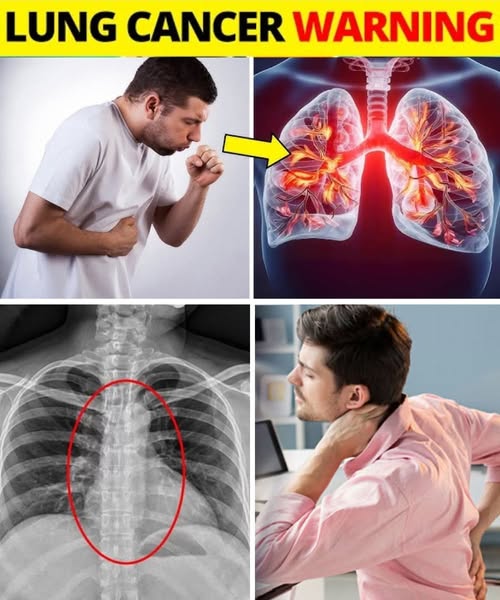
- Persistent cough. A cough that does not go away after a few weeks or gets worse over time should be evaluated, especially if you are a current or former smoker.
- Coughing up blood. Even a small amount of blood in mucus is a serious symptom that requires immediate medical attention.
- Shortness of breath. Feeling breathless during normal activities that were previously easy can be an early warning sign.
- Chest pain. Constant chest pain that worsens with deep breathing, coughing, or laughing may signal lung issues.
- Hoarseness. A persistent change in your voice or ongoing hoarseness can occur if a tumor affects nearby nerves.
- Unexplained weight loss. Losing weight without trying may indicate the body is fighting a serious illness.
- Fatigue. Ongoing, unexplained exhaustion that doesn’t improve with rest can be a warning sign.
- Frequent lung infections. Repeated bronchitis or pneumonia in the same area of the lung may indicate an underlying blockage.
- Wheezing. A new whistling sound when breathing could mean airways are narrowed or blocked.
- Swelling in the face or neck. In more advanced cases, pressure on major blood vessels can cause visible swelling.
It’s important to remember that these symptoms can also be caused by less serious conditions. However, the key concern is persistence and worsening over time.
People at higher risk include smokers, former smokers, those exposed to secondhand smoke, asbestos, radon, or other environmental toxins. Regular medical checkups and low-dose CT screening for high-risk individuals can detect lung cancer earlier.
If you experience ongoing respiratory symptoms, consult a healthcare professional promptly. Early detection significantly improves survival rates and treatment options.