
Breast cancer is one of the most common cancers worldwide, but when detected early, treatment is often highly effective. Many changes in the breast are not cancer, but certain warning signs should always be checked by a healthcare professional. Paying attention to these symptoms can save lives.
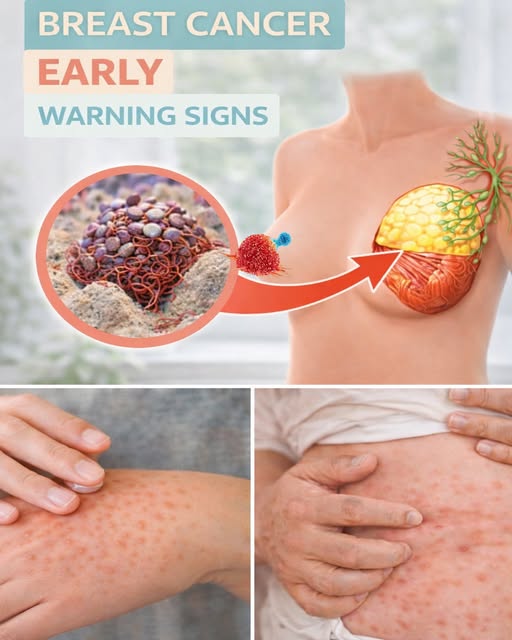
- A new lump in the breast or underarm. This is the most common sign. Lumps are often painless, hard, and irregular, but some can be tender or soft.
- Swelling of part or all of the breast. Even without a noticeable lump, unusual swelling or thickening can be a concern.
- Changes in breast size or shape. Sudden differences that were not present before should be evaluated.
- Skin dimpling or puckering. Skin that looks like an orange peel or appears pulled inward may indicate underlying changes.
- Redness, warmth, or thickening of the skin. Persistent irritation that does not improve needs medical attention.
- Nipple changes. This includes a nipple turning inward (inversion) when it was not inverted before.
- Nipple discharge that is not breast milk. Clear, bloody, or unusual discharge, especially from one breast, should be checked.
- Persistent breast or nipple pain. While many breast cancers are painless, ongoing pain in one specific area should not be ignored.
- Swollen lymph nodes. Lumps or swelling near the collarbone or under the arm can sometimes signal spread to nearby lymph nodes.
- A thickened area in the breast. Feeling that one area is denser or different from surrounding tissue may be significant.
It’s important to remember that many breast changes are caused by non-cancerous conditions such as cysts or infections. However, only a medical evaluation can determine the cause.
Regular self-awareness, clinical exams, and mammograms according to your doctor’s recommendations are essential for early detection. If you notice any unusual or persistent change, seek medical advice promptly. Early action greatly increases the chances of successful treatment.