For years, many people have been told that the gallbladder is useless and that removing it causes no real problems. This is the lie nobody talks about. While gallbladder surgery can be necessary in serious cases, the gallbladder actually plays an important role in digestion and overall health, and losing it can affect the body in ways many people are never warned about.
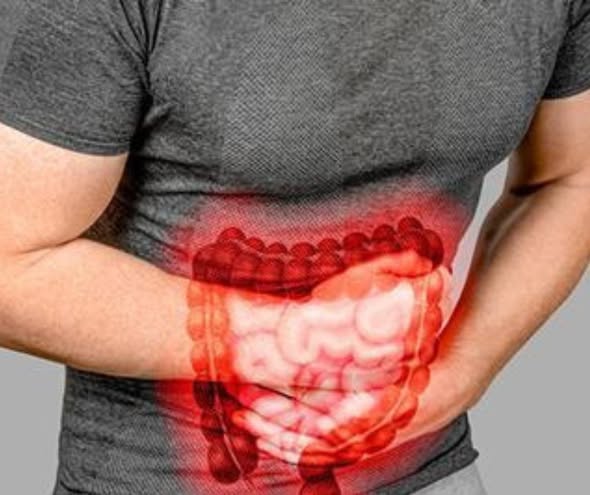
The gallbladder stores bile, a digestive fluid made by the liver. When you eat fatty foods, the gallbladder releases bile to help break down fats properly. Without it, bile drips constantly into the intestines instead of being released at the right time. This can lead to poor fat digestion, bloating, diarrhea, and long-term digestive discomfort for some people.
Many people who have gallbladder issues are never told that diet and lifestyle play a major role. High intake of processed foods, sugar, unhealthy fats, and low fiber can thicken bile and contribute to gallstones. Instead of addressing these causes, surgery is often presented as the only solution.
After gallbladder removal, some people struggle with nutrient absorption, especially fat-soluble vitamins like A, D, E, and K. Others experience ongoing digestive issues, weight gain, or food sensitivities that didn’t exist before. These effects are real, yet rarely discussed in advance.
The truth is that supporting gallbladder health early can make a big difference. Staying hydrated, eating fiber-rich foods, limiting fried and processed meals, and supporting liver function can help bile flow more smoothly. Many people manage mild gallbladder discomfort naturally under medical guidance without immediately resorting to surgery.
This doesn’t mean surgery is always wrong. In emergencies or severe cases, it can be lifesaving. But the real lie is being told the gallbladder doesn’t matter at all. Understanding its role empowers people to make better choices, ask better questions, and support their digestive health before problems become serious.