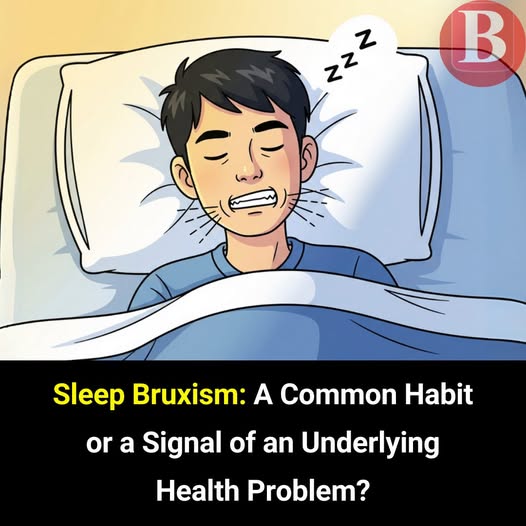
Grinding or clenching your teeth during sleep is called Bruxism. Many people don’t realize they do it until a dentist notices tooth damage or a partner hears the grinding sound at night.
While it may seem like just a habit, it can sometimes signal underlying health or lifestyle issues.
😰 1️⃣ Stress and Anxiety
One of the most common causes of bruxism is stress. When the brain is under pressure, the body may release tension through jaw clenching during sleep.
People experiencing high stress or anxiety often grind their teeth without realizing it.
😴 2️⃣ Sleep Disorders
Teeth grinding is sometimes linked to sleep problems such as Sleep Apnea.
Interrupted breathing during sleep may trigger jaw muscle activity.
☕ 3️⃣ Too Much Caffeine or Alcohol
Drinking a lot of caffeine or alcohol before bedtime can stimulate the nervous system and increase the chance of teeth grinding.
🦷 4️⃣ Bite Problems or Misaligned Teeth
Dental issues like uneven teeth or jaw alignment problems can sometimes contribute to grinding.
Dentists often check this during regular dental exams.
⚠️ Signs You Might Be Grinding Your Teeth
Many people only discover it after symptoms appear, such as:
• Morning headaches
• Jaw pain or tightness
• Sensitive or worn-down teeth
• Cracked tooth enamel
• Clicking sounds in the jaw
🛌 What Can Help
Doctors and dentists often suggest:
• Reducing stress before bed
• Avoiding caffeine at night
• Practicing relaxation techniques
• Using a night guard recommended by a dentist
✅ Bottom line: Occasional grinding may not be serious, but frequent bruxism can damage teeth and cause jaw pain. If symptoms persist, a dentist can help identify the cause and recommend treatment.