
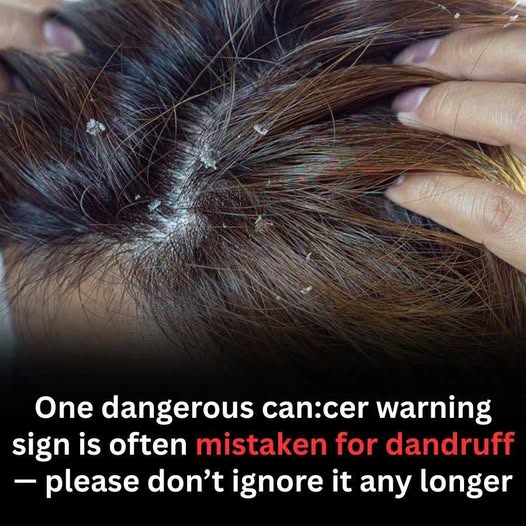
Many people notice white flakes on their scalp and assume it’s simple dandruff. While dandruff is very common, sometimes persistent or unusual flakes may be linked to other scalp conditions that require attention.If flakes don’t improve with regular shampoo or are accompanied by other symptoms, it may be worth taking a closer look.
1️⃣ Seborrheic Dermatitis
One possible cause is Seborrheic Dermatitis, a skin condition that affects oily areas of the body such as the scalp.
Symptoms may include:
• Yellow or white flakes
• Red, irritated skin
• Itching or burning on the scalp
• Greasy patches around the hairline or eyebrows
It’s similar to dandruff but usually more persistent.
2️⃣ Scalp Psoriasis
Another condition that can look like dandruff is Psoriasis, an autoimmune skin disorder.
Signs can include:
• Thick, silvery scales
• Red patches on the scalp
• Dry or cracked skin that may bleed
• Flakes that extend beyond the hairline
This condition often requires medical treatment.
3️⃣ Fungal Infection of the Scalp
In some cases, flaking may be related to Tinea Capitis, a fungal infection of the scalp.
Common symptoms include:
• Scaly patches
• Hair loss in small areas
• Itchy or inflamed scalp
• Broken hairs
This infection is more common in children but can affect adults too.
4️⃣ Severe Dry Scalp
Sometimes flakes appear simply because the scalp is very dry due to weather, harsh hair products, or frequent washing.
Unlike dandruff, dry scalp flakes are usually smaller and less oily.
🚨 When Should You See a Doctor?
You should consider seeing a healthcare professional if:
• Flakes don’t improve after several weeks
• The scalp becomes painful or swollen
• You notice hair loss or bleeding
• The condition spreads to other parts of the body
Early diagnosis can help prevent complications and improve treatment outcomes.
✨ The key message: While dandruff is usually harmless, persistent or unusual scalp symptoms shouldn’t be ignored. Paying attention to changes in your scalp can help protect your overall skin health.