
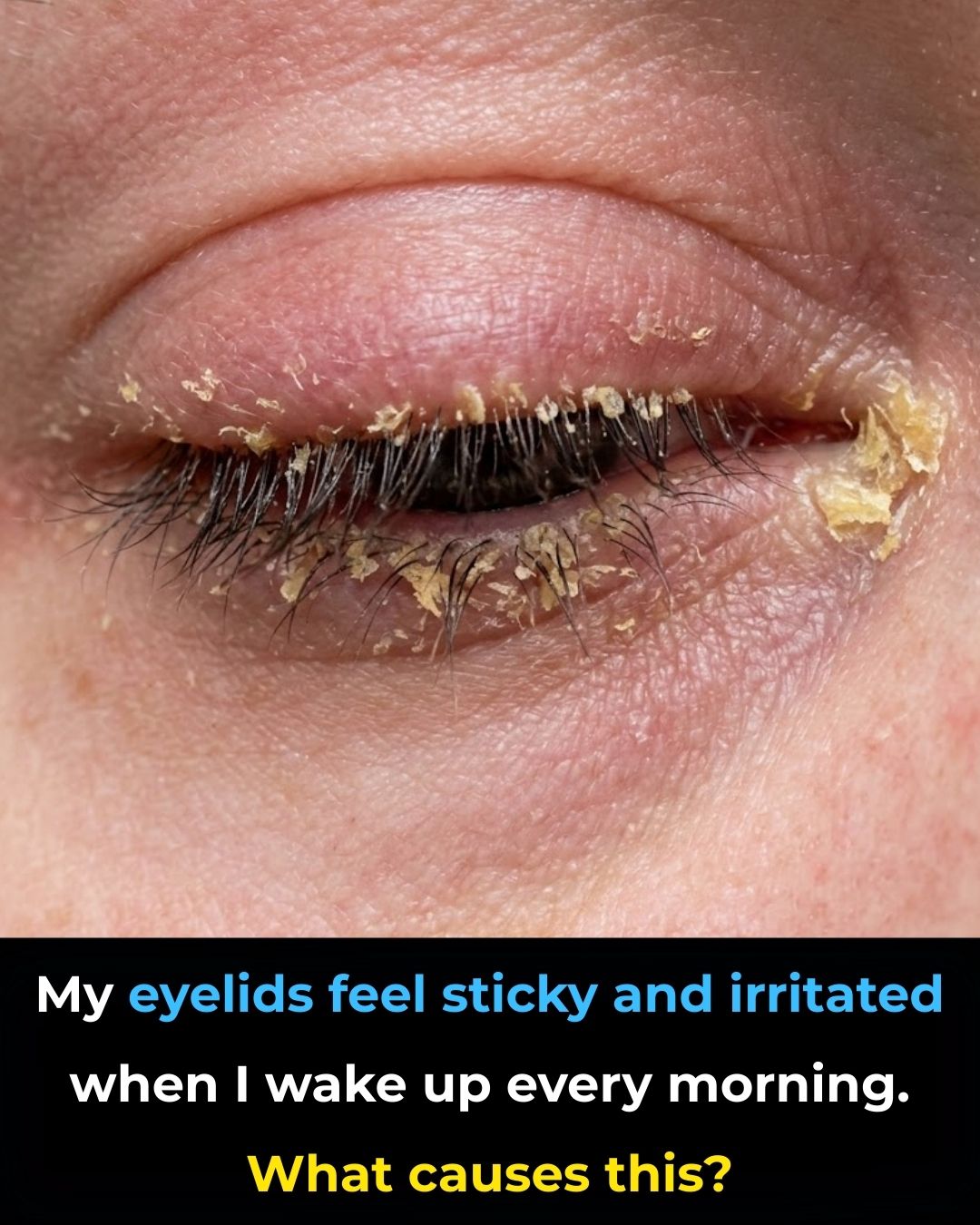
Waking up with sticky or irritated eyelids is a common problem. It can happen for several reasons, ranging from mild irritation to an eye condition that may need treatment. Paying attention to other symptoms can help you understand the cause.
Here are some of the most common reasons 👇
👁️ 1️⃣ Blepharitis (Eyelid Inflammation)
One of the most frequent causes is Blepharitis.
This condition happens when the tiny oil glands at the base of the eyelashes become clogged.
Common symptoms include:
• Sticky eyelids in the morning
• Red or swollen eyelids
• Burning or itchy eyes
• Flakes around the eyelashes
Warm compresses and gentle eyelid cleaning often help manage it.
🦠 2️⃣ Eye Infection
Sometimes sticky eyelids may be caused by Conjunctivitis, often called “pink eye”.
Symptoms may include:
• Yellow or green discharge
• Eyes stuck shut after sleep
• Redness in the eyes
• Irritation or tearing
If this is the cause, medical treatment may be needed.
💨 3️⃣ Dry Eyes During the Night
Dry air, air conditioning, or screen use before bed can contribute to Dry eye syndrome.
Signs may include:
• Gritty or sandy feeling in the eyes
• Mild irritation in the morning
• Blurred vision that improves after blinking
🌼 4️⃣ Allergies
Allergies can also cause sticky eyelids, especially if your bedroom has allergens like dust or pet hair.
Other allergy symptoms may include:
• Itchy eyes
• Watery eyes
• Puffy eyelids
• Sneezing or nasal congestion
🛌 5️⃣ Poor Eye Hygiene or Makeup Residue
If makeup, oils, or debris remain on the eyelids overnight, they can mix with natural eye secretions and cause stickiness in the morning.
Removing eye makeup thoroughly before sleeping can help prevent this.
⚠️ When to See a Doctor
You should consider seeing an eye specialist if you notice:
• Persistent pain in the eyes
• Vision changes
• Thick yellow discharge
• Symptoms lasting more than a few days
✨ In many cases, sticky eyelids are caused by minor issues like dryness or eyelid irritation. Simple habits like clean eyelids, warm compresses, and good sleep hygiene can often make a big difference.