
It grows quietly in gardens, along fences, and even between sidewalk cracks. Many call it a weed — but this humble plant has been used for centuries in traditional remedies.
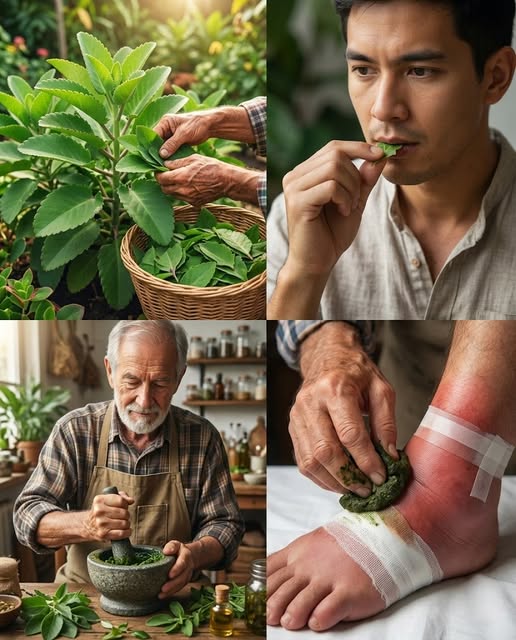
🌱 Meet Purslane
Small, thick leaves. Reddish stems. Slightly lemony taste. And surprisingly powerful benefits.
💪 1️⃣ One of the Richest Plant Sources of Omega-3
Purslane is one of the few leafy greens naturally high in omega-3 fatty acids, which may help:
• Support heart health
• Reduce inflammation
• Protect brain function
🧠 2️⃣ Supports Brain & Nerve Health
Thanks to its antioxidants and healthy fats, purslane may help protect cells from damage caused by oxidative stress.
🩸 3️⃣ May Help Balance Blood Sugar
Some small studies suggest purslane may support healthy blood sugar levels when combined with a balanced diet.
🦴 4️⃣ Rich in Essential Minerals
This tiny plant contains:
• Magnesium
• Potassium
• Iron
• Calcium
These nutrients support muscles, bones, and overall strength — especially important as we age.
✨ 5️⃣ Powerful Antioxidants
Purslane contains vitamin C, vitamin E, and beta-carotene. These help protect the body from free radicals that contribute to aging and disease.
🥗 6️⃣ Easy to Add to Your Diet
You can:
• Add fresh leaves to salads
• Blend into smoothies
• Toss into soups
• Lightly sauté like spinach
It has a slightly tangy, refreshing taste.
⚠️ Important Reminder
• Always make sure you correctly identify the plant before eating
• Avoid areas sprayed with pesticides
• People prone to kidney stones should limit intake because purslane contains oxalates
• If you have a medical condition, consult your doctor first
🌟 The Bottom Line
What many people call a weed may actually be a nutritional powerhouse. Purslane is simple, affordable, and surprisingly rich in nutrients.
Sometimes, the most powerful remedies grow right under our feet.