
Bruises are common and usually harmless. You bump into something, and a few days later your skin turns blue, purple, or yellow as it heals. But sometimes bruising can be a sign that something deeper is going on inside your body.
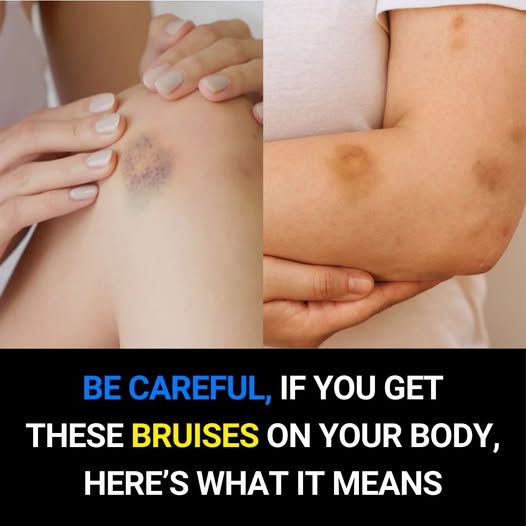
Here’s when you should pay closer attention.
Bruises that appear without injury
If you notice frequent bruises and don’t remember hitting anything, it could mean your blood is not clotting properly. One possible cause is Thrombocytopenia, where your body has fewer platelets to help stop bleeding.
Very large or painful bruises
If bruises are unusually large, very painful, or keep appearing in different places, it may point to a bleeding disorder. In rare cases, frequent unexplained bruising can be linked to serious conditions such as Leukemia, especially if combined with fatigue, frequent infections, or weight loss.
Tiny red or purple dots
Small pinpoint spots that don’t fade when pressed may be petechiae. These can happen when small blood vessels break due to low platelets or certain infections.
Bruising with other bleeding symptoms
If you also notice bleeding gums, frequent nosebleeds, or heavy menstrual bleeding, it could be related to conditions like Von Willebrand disease.
Bruises that don’t heal
Normal bruises fade within about two weeks. If they last much longer or seem to worsen instead of improve, it’s important to get checked.
Medication can also play a role
Blood thinners, aspirin, steroids, and some anti-inflammatory drugs can make bruising more likely.
When to seek medical help immediately 🚨
• Sudden severe bruising
• Bruising after starting a new medication
• Dizziness or extreme weakness
• Bruising along with high fever
Most bruises are harmless and part of everyday life. But frequent, unexplained, or severe bruising is your body’s way of asking for attention. When in doubt, it’s always safer to get medical advice early.