Eggs are one of the most nutritious foods you can eat. They provide high-quality protein, vitamin B12, choline, and healthy fats. For most people, they are safe and beneficial when properly handled and cooked.
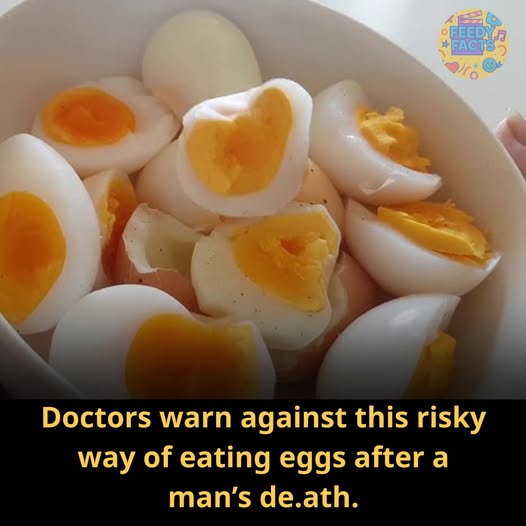
However, eating eggs the wrong way can be dangerous.
The biggest risk comes from raw or undercooked eggs. Raw eggs may carry Salmonella, a bacteria that can cause serious food poisoning. Symptoms may include severe diarrhea, vomiting, stomach cramps, fever, and dehydration. In vulnerable individuals — such as young children, elderly adults, pregnant women, or people with weakened immune systems — the infection can become life-threatening.
Risky situations include:
• Drinking raw egg mixtures
• Consuming homemade mayonnaise made with raw eggs
• Eating raw cookie dough or cake batter
• Soft-boiled eggs with very runny whites
• Undercooked scrambled eggs
Another danger is improper storage. Eggs left at room temperature for long periods can allow bacteria to multiply. Cracked or dirty eggs also carry higher contamination risk.
How to stay safe:
Cook eggs until both the yolk and white are firm.
Store eggs in the refrigerator.
Avoid consuming raw egg products unless they are pasteurized.
Wash hands and utensils after handling raw eggs.
For most healthy adults, properly cooked eggs are safe and nutritious. The danger is not the egg itself — it’s how it’s prepared and handled.
Simple food safety habits can prevent serious illness.