
Skin problems like acne, rashes, bug bites, and eczema can look similar at first, but they are very different conditions. Knowing the difference helps you treat them the right way and avoid making them worse.
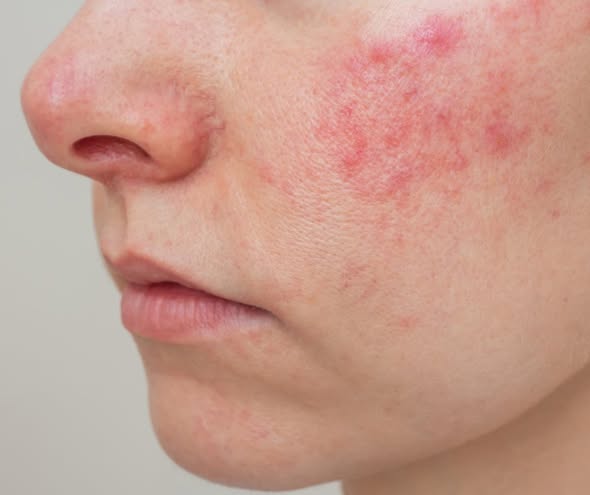
Acne happens when pores get blocked with oil, dead skin, and bacteria. It usually appears on the face, chest, back, and shoulders. You may see whiteheads, blackheads, red bumps, or painful pimples filled with pus. Hormones, stress, oily skincare products, and diet can all make acne worse. Washing your face gently twice a day, avoiding heavy creams, and not squeezing pimples can help prevent scars.
Rashes are red, irritated patches on the skin. They can be caused by allergies, heat, sweat, new soaps, detergents, or certain fabrics. Some rashes itch, burn, or feel dry and rough. A simple rash may improve by removing the trigger, using mild soap, and applying fragrance-free moisturizer. If the rash spreads quickly, blisters, or comes with fever, it’s important to see a doctor.
Bug bites are small, itchy bumps that appear suddenly. Mosquitoes, bed bugs, fleas, and other insects can leave red, swollen spots that may feel warm. Scratching can lead to infection. Washing the area, applying a cold compress, and using a mild anti-itch cream can reduce swelling. If you notice severe swelling, trouble breathing, or dizziness, seek emergency care as it could be an allergic reaction.
Eczema, also known as Atopic dermatitis, is a long-term skin condition. It causes dry, cracked, itchy skin that may become red and inflamed. It often starts in childhood but can affect adults too. Triggers include stress, cold weather, harsh soaps, and allergens. Daily moisturizing with thick creams, avoiding hot showers, and using gentle skincare products can help control flare-ups.
When to see a doctor:
If the skin problem lasts more than two weeks, keeps coming back, becomes very painful, oozes pus, or is linked with fever, medical advice is important. Some skin conditions need prescription creams or oral medicine.
Healthy skin habits that help all four conditions:
Drink enough water
Avoid harsh soaps and strong fragrances
Do not scratch or pick at the skin
Use clean towels and pillowcases
Manage stress