
You may have heard bold claims about visible veins — that they mean you’re unhealthy, dehydrated, overly stressed, or even at risk for serious disease. The truth is much simpler: in most cases, visible veins are completely normal.
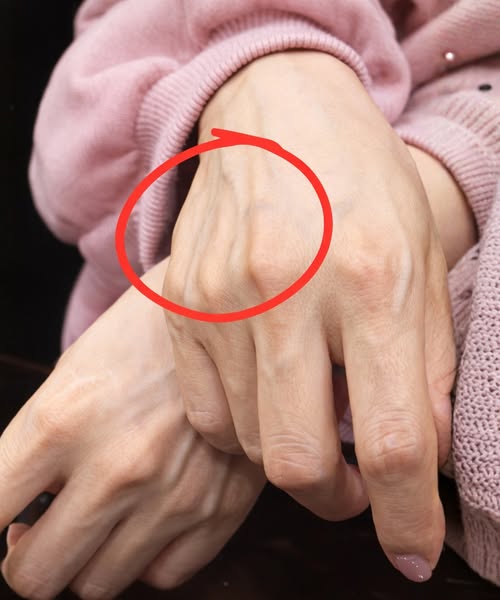
Here’s what visible veins usually mean:
- Low Body Fat
People with lower body fat often have more visible veins because there is less tissue covering them. This is common in athletes and lean individuals. - Genetics
Some people naturally have thinner skin or veins that sit closer to the surface. If visible veins run in your family, genetics may be the reason. - Exercise or Muscle Development
After strength training or intense activity, veins may appear more prominent. Increased blood flow and muscle growth push veins closer to the skin. - Warm Temperatures
Heat causes blood vessels to dilate (expand), making veins more noticeable. - Aging
As we age, skin becomes thinner and loses elasticity, which can make veins more visible — especially on the hands and arms. - Fair or Light Skin Tone
Veins are often easier to see through lighter skin.
When Visible Veins Might Signal a Problem
Most visible veins are harmless. However, you should seek medical advice if you notice:
• Sudden swelling in one leg
• Painful, bulging veins
• Redness and warmth over a vein
• Skin ulcers near the ankle
• Rapid changes in vein appearance
These could indicate varicose veins, venous insufficiency, or in rare cases, a blood clot.
What Visible Veins Do NOT Automatically Mean
• They do not automatically mean dehydration
• They do not mean you have heart disease
• They do not mean poor circulation
• They do not mean you are unhealthy
In many cases, visible veins simply reflect normal anatomy.
If your veins are painless and you have no other symptoms, they are usually nothing to worry about. But if you notice discomfort, swelling, or sudden changes, it’s always best to consult a healthcare professional for evaluation.
Your body has natural variations — and visible veins are often just one of them.