
Cancer often develops quietly. In the early stages, symptoms can be mild or easy to ignore. That’s why paying attention to unusual changes in your body is so important. These signs do not always mean cancer, but they should never be dismissed. Early detection can save lives.
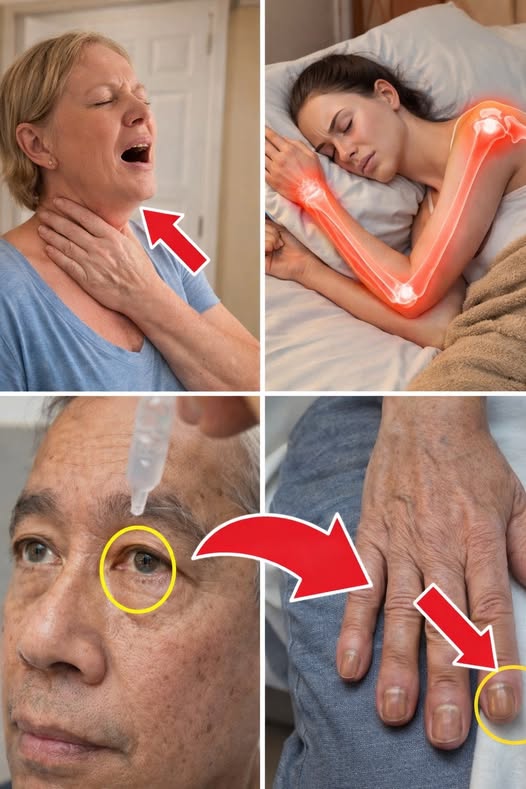
- Unexplained Weight Loss
Losing a significant amount of weight without changing your diet or activity level can be a warning sign. Sudden weight loss may be linked to cancers of the stomach, pancreas, lungs, or esophagus. - Persistent Fatigue
Feeling tired after a long day is normal. But extreme fatigue that does not improve with rest may signal something deeper, including blood-related cancers like leukemia. - Unusual Lumps or Swelling
A new lump in the breast, neck, armpit, or groin should always be checked. Not all lumps are cancerous, but painless, firm, and growing lumps require medical evaluation. - Changes in Skin
New moles, changes in existing moles, darkening, itching, or sores that do not heal can be signs of skin cancer. Watch for irregular borders, uneven color, or bleeding. - Persistent Cough or Hoarseness
A cough lasting more than three weeks, coughing up blood, or ongoing hoarseness could be linked to lung or throat cancer. - Changes in Bowel or Bladder Habits
Long-lasting constipation, diarrhea, blood in stool, or difficulty urinating can be warning signs of colorectal or bladder cancer. - Difficulty Swallowing
Persistent trouble swallowing or feeling like food is stuck in your throat may be associated with esophageal or throat cancer. - Unexplained Bleeding
Bleeding between periods, after menopause, blood in urine, or coughing up blood should never be ignored. These can be signs of several types of cancer. - Persistent Pain
Ongoing pain without a clear cause — especially in the bones, abdomen, or head — may be a symptom that needs medical attention. - Frequent Infections or Fevers
Repeated infections or unexplained fevers can sometimes be linked to cancers that affect the immune system.
It’s important to remember that these symptoms often have non-cancerous causes. However, if any of these signs last more than two weeks or worsen over time, consult a healthcare professional. Early diagnosis greatly improves treatment outcomes.
Regular screenings, healthy lifestyle habits, and paying attention to your body are powerful tools in protecting your health. If something feels unusual, trust your instincts and get it checked.