Knee pain is one of the most common problems after 50. Many people wake up with stiffness, hear cracking sounds when they stand, or feel pain when climbing stairs. Over time, cartilage in the knees naturally wears down. Cartilage is the soft cushion that protects your bones from rubbing against each other.
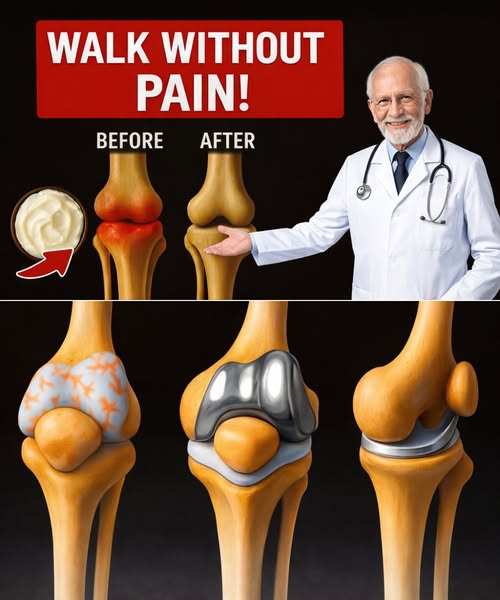
You may have seen claims that one special food can “rebuild cartilage in 24 hours.” Let’s be honest — no food can fully rebuild damaged knee cartilage in a single day. Cartilage repair is a slow biological process that takes weeks or months, not 24 hours.
However, there is one powerful food that can strongly support joint health: bone broth.
Bone broth is rich in collagen, gelatin, amino acids, and minerals. Collagen is one of the main building blocks of cartilage. As we age, natural collagen production decreases. This is one reason joints become weaker and less flexible.
When you consume collagen-rich foods like bone broth, you provide your body with the raw materials it needs to support cartilage maintenance and joint cushioning. Some people report reduced stiffness and better movement within days, especially if their pain is related to inflammation rather than severe cartilage loss.
Why Bone Broth May Help
Bone broth contains:
Collagen – supports cartilage structure
Gelatin – may improve joint flexibility
Glycine and proline – amino acids important for tissue repair
Minerals like calcium and magnesium – support bone strength
It also has anti-inflammatory properties, which may help reduce swelling around the knee joint. Less inflammation can mean less pain and better mobility.
How to Use It
Drink one cup of warm bone broth daily. You can have it in the morning or before bed. Consistency is key. Results are more likely after several weeks, not overnight.
You can also support knee health by adding:
Leafy greens for antioxidants
Fatty fish for omega-3 fats
Turmeric for inflammation support
Vitamin C–rich fruits to help collagen production
Important Reality Check
If you have advanced osteoarthritis, severe swelling, or sharp knee pain, food alone will not “rebuild” cartilage. Physical therapy, weight management, strength training, and medical treatment may be necessary.
Gentle daily movement, such as walking or light stretching, improves blood flow to the joint and helps nourish cartilage naturally. Staying active is just as important as what you eat.
Healthy knees require long-term care, not quick fixes. While no food works in 24 hours, the right nutrition can support stronger joints over time and help you move with less discomfort.