
Tinnitus is the medical term for hearing sounds like ringing, buzzing, hissing, or humming when no external sound is present. It is very common and can affect people of all ages. In many cases, it is linked to hearing loss or exposure to loud noise.
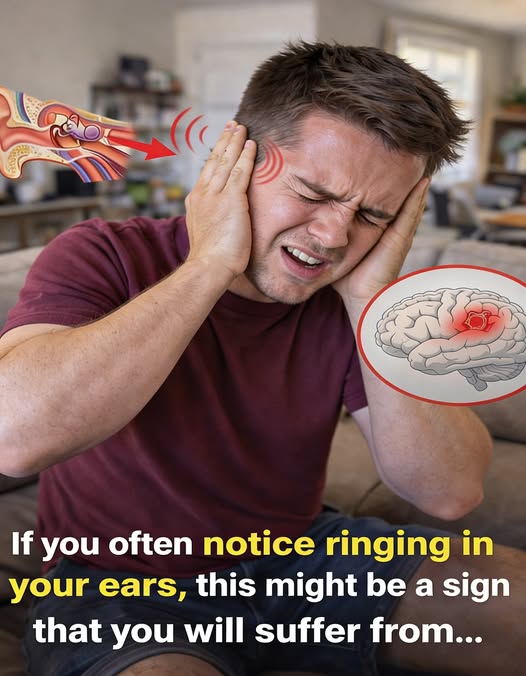
However, frequent or persistent ringing in the ears may also be associated with:
- Hearing Loss
Age-related hearing decline or damage from loud sounds can trigger tinnitus. Many people notice ringing before they realize their hearing is getting weaker. - High Blood Pressure
Poor blood circulation can affect the tiny blood vessels in the ears. When blood pressure is high, some people hear a pulsing or whooshing sound. - Ear Infections or Earwax Blockage
A simple buildup of wax or fluid in the ear can cause ringing, pressure, and discomfort. This is usually temporary and treatable. - Stress and Anxiety
High stress levels can make tinnitus worse. In some cases, anxiety can even trigger ringing episodes. - Ménière’s Disease
This inner ear disorder can cause ringing, dizziness, hearing loss, and a feeling of fullness in the ear. - Thyroid Problems
Hormonal imbalances may sometimes affect hearing and cause ringing sensations. - Rarely, a Brain Tumor
In uncommon cases, persistent ringing in one ear, especially with hearing loss or balance issues, can be linked to a tumor such as an acoustic neuroma. While this is rare, it should be evaluated if symptoms continue.
Most ringing in the ears is not life-threatening, but it should never be ignored if it lasts more than a few days, gets worse, or is accompanied by dizziness, severe headaches, sudden hearing loss, or vision problems.
If you experience ongoing tinnitus, consider seeing a doctor or hearing specialist. Early evaluation can rule out serious causes and help you find relief.
Your ears are sending you a message. Don’t ignore it.