
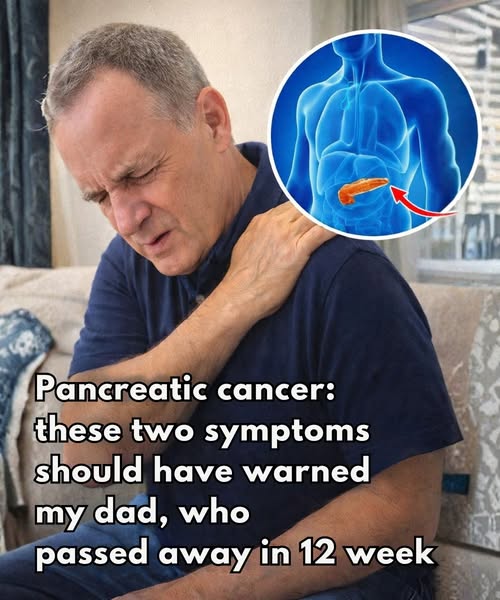
Pancreatic cancer can be difficult to detect early because symptoms often appear only after the disease has progressed. The pancreas lies deep inside the abdomen, so early tumors may not cause obvious pain. However, recognizing certain warning signs can help you seek medical attention sooner.
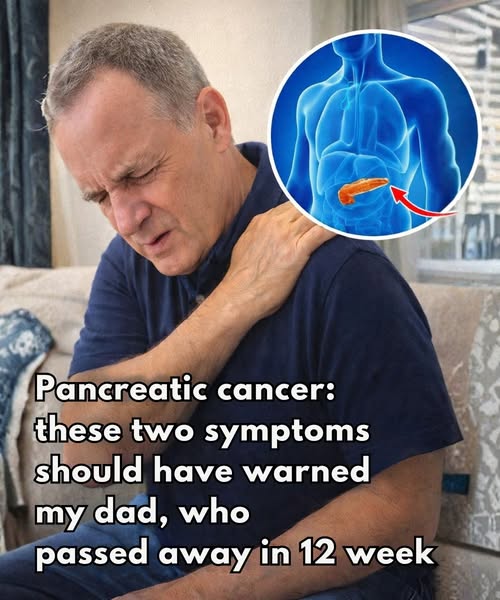
Here are 10 symptoms that should not be ignored:
- Yellowing of the Skin or Eyes (Jaundice)
This is one of the most noticeable signs. It happens when a tumor blocks the bile duct, causing a buildup of bilirubin. - Dark Urine and Pale Stools
Changes in urine and stool color can be linked to bile duct obstruction. - Persistent Upper Abdominal Pain
Pain that may spread to the back and does not go away should be evaluated. - Unexplained Weight Loss
Losing weight without trying can be an early warning sign of several cancers, including pancreatic cancer. - Loss of Appetite
A sudden decrease in appetite that lasts for weeks is concerning. - New-Onset Diabetes
In some cases, pancreatic cancer can affect insulin production, leading to newly diagnosed diabetes, especially in older adults without clear risk factors. - Nausea and Vomiting
If a tumor presses on the stomach, it may cause digestive blockage symptoms. - Fatigue
Extreme tiredness that does not improve with rest may signal an underlying illness. - Itchy Skin
This can occur due to bile salt buildup when jaundice develops. - Blood Clots
Unexplained blood clots may sometimes be linked to pancreatic cancer.
It’s important to remember that many of these symptoms are commonly caused by less serious conditions. However, if symptoms persist for more than a few weeks or worsen, medical evaluation is essential.
Risk factors include smoking, chronic pancreatitis, obesity, long-standing diabetes, and family history. Unlike some other cancers, there is no routine screening test for the general population, which makes awareness of symptoms especially important.
If you experience severe abdominal pain, persistent jaundice, or sudden unexplained health changes, seek medical care promptly. Early diagnosis significantly improves treatment options and outcomes.