A heart attack happens when blood flow to part of the heart muscle becomes blocked. This medical emergency, known as Myocardial infarction, requires immediate attention. Early recognition can save your life or someone else’s.
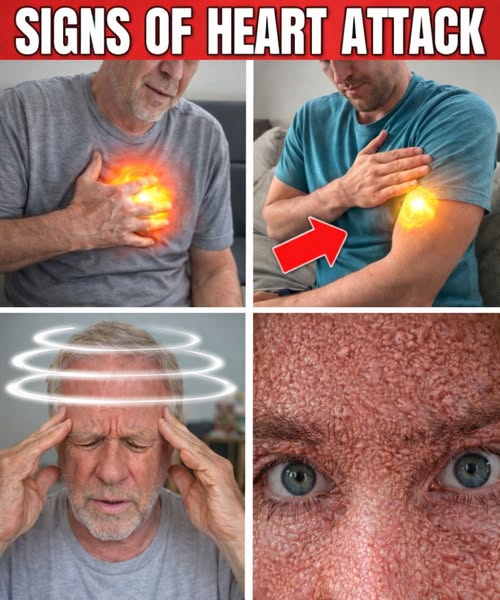
Here are 7 early warning signs you should act on quickly:
- Chest pressure or discomfort
This is the most common symptom. It may feel like squeezing, fullness, tightness, or pressure in the center of the chest. It can last several minutes or come and go. - Pain spreading to other areas
Discomfort may move to the shoulders, arms (especially the left arm), back, neck, jaw, or stomach. - Shortness of breath
You may feel breathless with or without chest discomfort. This can happen during activity or even at rest. - Cold sweat
Sudden, unexplained sweating — especially when combined with other symptoms — can signal trouble. - Nausea or vomiting
Some people, especially women, may feel sick to their stomach or actually vomit. - Unusual fatigue
Extreme tiredness without clear reason, especially days before the event, can be an early warning sign — particularly in women. - Lightheadedness or dizziness
Feeling faint or suddenly weak may indicate reduced blood flow to the brain.
Important: Symptoms can differ between men and women. Women are more likely to experience shortness of breath, nausea, back pain, and fatigue rather than intense chest pain.
Call emergency services immediately if:
• Chest pain lasts more than a few minutes
• Pain spreads to the arm or jaw
• There is sudden shortness of breath
• The person collapses or loses consciousness
Do not drive yourself if possible. Quick medical treatment greatly reduces heart damage.
Risk factors include high blood pressure, diabetes, high cholesterol, smoking, obesity, lack of exercise, and family history of heart disease.
When it comes to a heart attack, minutes matter. Acting fast can mean the difference between recovery and tragedy.