
If you struggle with knee pain or stiffness, you’ve probably seen claims about a “miracle food” that can rebuild cartilage quickly. The honest truth is this: no single food can completely restore damaged knee cartilage once it’s significantly worn down. Conditions like osteoarthritis involve gradual breakdown of joint tissue, and regeneration is slow and limited.
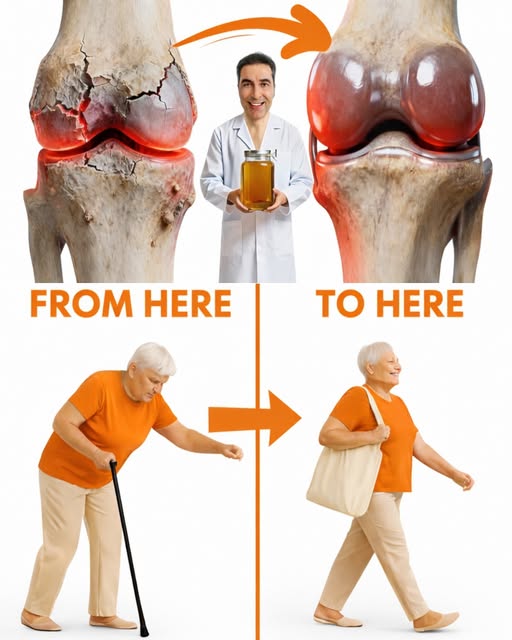
However, some foods can support joint health and may help slow further damage.
One of the most talked-about options is bone broth. Bone broth contains collagen, gelatin, glucosamine, and chondroitin — compounds naturally found in cartilage. Collagen provides amino acids like glycine and proline, which are building blocks for connective tissue. While drinking bone broth will not regrow cartilage overnight, consistent intake may support joint comfort over time.
Another powerful food is fatty fish rich in omega-3 fatty acids, such as salmon. Omega-3s help reduce inflammation in the body, which can decrease joint stiffness and pain associated with Osteoarthritis.
Leafy greens like spinach and kale provide vitamin C, which is essential for collagen production. Without enough vitamin C, the body cannot properly maintain cartilage tissue.
Turmeric, commonly used as a spice, contains curcumin — a compound known for anti-inflammatory effects. While it does not rebuild cartilage directly, it may help reduce inflammation-related pain.
Key reality check:
• Cartilage has very limited blood supply, so healing is slow.
• No food can fully reverse advanced joint degeneration.
• Long-term joint health requires a combination of nutrition, weight management, physical therapy, and sometimes medical treatment.
Best strategy for knee health:
• Maintain a healthy weight to reduce joint pressure
• Stay physically active with low-impact exercises like swimming or cycling
• Eat a balanced diet rich in protein, antioxidants, and healthy fats
• Consult a healthcare professional if pain persists
The “most powerful food” is not a magic ingredient — it’s a consistent, anti-inflammatory, nutrient-rich diet combined with healthy lifestyle habits. That’s what truly supports your knees over time.