
This condition is called Oral thrush, and it’s caused by an overgrowth of a yeast known as Candida albicans. While this fungus normally lives in small amounts in the mouth without causing harm, certain conditions can allow it to multiply quickly and create uncomfortable symptoms.
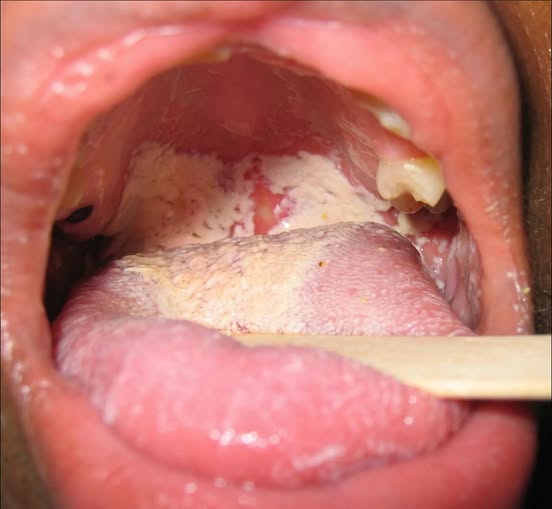
Oral thrush often appears as creamy white patches on the tongue, inner cheeks, roof of the mouth, or throat. These patches may look like cottage cheese and can sometimes bleed slightly if scraped. Many people also experience soreness, a burning feeling, loss of taste, or difficulty swallowing. In severe cases, it can spread to the throat and make eating painful.
Who is most at risk?
Babies, older adults, and people with weakened immune systems are more likely to develop oral thrush. It is also common in individuals with diabetes, those taking antibiotics, corticosteroids (like asthma inhalers), or people undergoing cancer treatments. Denture wearers may also develop it if oral hygiene is not maintained properly.
Why does it happen?
Antibiotics can kill beneficial bacteria in the mouth that normally keep yeast under control. High blood sugar levels can also encourage yeast growth. A dry mouth, smoking, or poor oral hygiene may increase the risk as well.
How is it treated?
Oral thrush is usually treated with antifungal medications prescribed by a doctor, such as medicated mouth rinses or tablets. Treatment typically clears the infection within one to two weeks. Maintaining good oral hygiene, brushing the tongue gently, cleaning dentures properly, and rinsing the mouth after using inhalers can help prevent recurrence.
When to see a doctor
If you notice persistent white patches, pain while swallowing, or symptoms that do not improve, it is important to seek medical advice. Early treatment prevents complications and relieves discomfort quickly.
Oral thrush is common and treatable, but it should not be ignored — especially if it keeps coming back, as that may signal an underlying health issue that needs attention.