
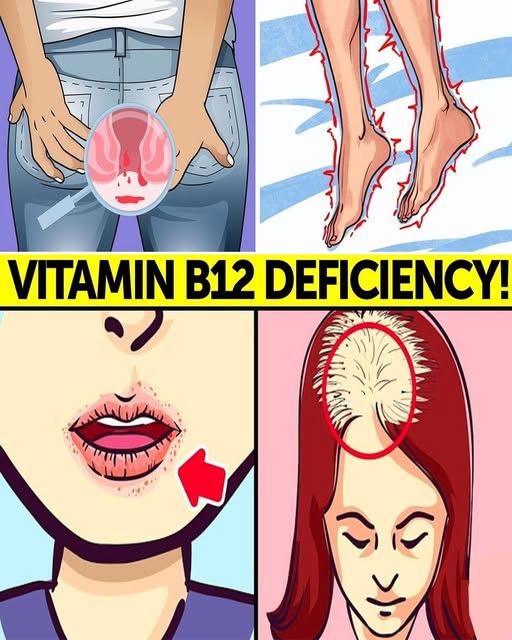
Vitamin B12 is one of the most important nutrients for your nerves, brain, and red blood cells. When levels drop, the symptoms can be unusual and easy to ignore. Because B12 helps carry oxygen through your blood and supports nerve function, even a small deficiency can affect your entire body. Here are eight surprising signs you may need more vitamin B12.
- Constant fatigue that doesn’t improve with rest. If you feel tired all the time, even after sleeping well, low B12 could be the reason. Without enough B12, your body struggles to produce healthy red blood cells, which means less oxygen reaches your tissues.
- Tingling or numbness in hands and feet. B12 supports the protective coating around nerves. When levels are low, you may feel pins and needles, burning sensations, or numbness in your limbs.
- Memory problems or brain fog. Difficulty concentrating, forgetfulness, or mental confusion can sometimes be linked to B12 deficiency because it plays a major role in brain health.
- Pale or slightly yellowish skin. Low B12 can affect red blood cell production, which may make the skin look pale. In more serious cases, a mild yellow tint can appear due to red blood cell breakdown.
- Mood changes. Depression, irritability, and anxiety have been associated with low B12 levels. This vitamin helps produce brain chemicals that regulate mood.
- Shortness of breath or dizziness. When oxygen delivery drops due to poor red blood cell production, you may feel lightheaded or breathless, even with mild activity.
- Smooth or swollen tongue. Some people develop a red, sore, or unusually smooth tongue, along with mouth ulcers.
- Vision disturbances. In severe cases, B12 deficiency can affect the optic nerve, leading to blurry or disturbed vision.
Older adults, vegetarians, vegans, and people with digestive disorders are at higher risk of deficiency. If you notice these symptoms, a simple blood test can check your levels. Vitamin B12 is found in foods like eggs, dairy, fish, and meat, and supplements may be recommended if needed.
If you suspect a deficiency, speak with a healthcare professional before starting supplements. Early detection makes recovery easier and protects your nerves and brain in the long term.