
Heart problems do not always begin with sudden chest pain. In many cases, warning signs develop slowly and quietly. Recognizing early symptoms of heart disease can help prevent life-threatening complications such as a heart attack or heart failure related to Cardiovascular disease.
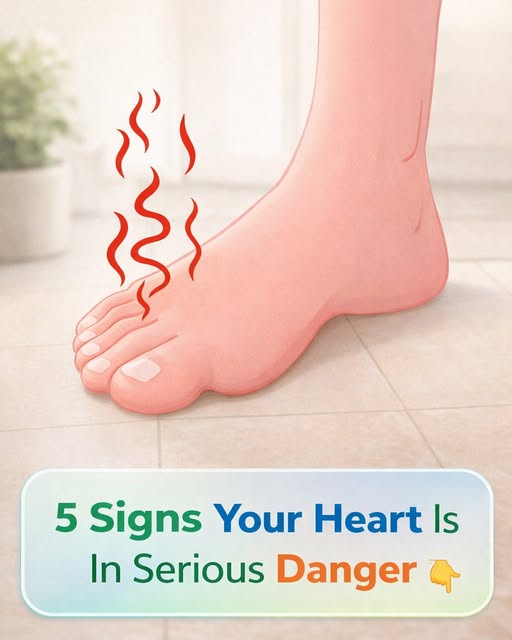
Here are five silent warning signs you should never ignore:
- Unusual Shortness of Breath
If you feel breathless during simple activities like walking, climbing stairs, or even lying down, it may signal that your heart is not pumping efficiently. This can happen when fluid builds up in the lungs due to heart strain. - Persistent Fatigue
Extreme tiredness that does not improve with rest can be an early sign of reduced blood flow. When the heart struggles to circulate oxygen-rich blood, your body feels constantly drained. - Swelling in Legs, Ankles, or Feet
Swelling (edema) may occur when the heart cannot pump blood effectively, causing fluid to accumulate in the lower body. Shoes may feel tighter, or you may notice sock marks on your skin. - Irregular Heartbeat or Palpitations
Occasional skipped beats can be harmless, but frequent fluttering, racing, or pounding sensations may indicate an abnormal rhythm (arrhythmia) that needs evaluation. - Mild Chest Discomfort or Pressure
Not all heart-related pain is sharp or severe. Some people describe it as pressure, tightness, fullness, or burning in the chest that comes and goes — especially during activity or stress.
Important Warning
Symptoms like sudden chest pain, severe shortness of breath, fainting, or pain spreading to the arm, jaw, or back require emergency medical attention immediately.
Who Is at Higher Risk?
• Adults over 50
• People with high blood pressure or diabetes
• Smokers
• Those with high cholesterol
• Individuals with a family history of heart disease
Prevention Tips
• Maintain a balanced diet
• Exercise regularly
• Manage stress
• Monitor blood pressure and cholesterol
• Attend regular medical checkups
Your heart often whispers before it screams. Paying attention to subtle changes and seeking early medical advice can make the difference between prevention and emergency.