
Headlines like this are designed to shock. The truth is, doctors do take medications when needed. But because they understand the risks, they are often more cautious about long-term or unnecessary use. Many people take certain drugs daily without fully understanding the side effects.
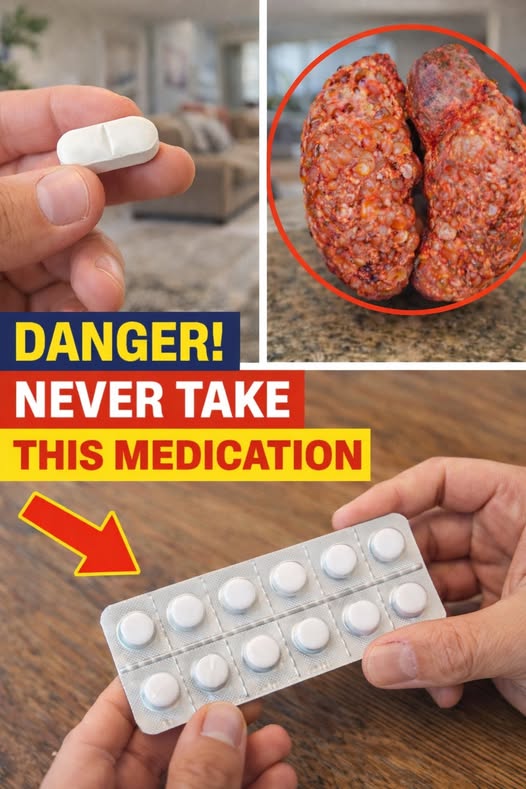
Here are five common types of medications that medical professionals often use carefully and only when truly necessary:
- Proton Pump Inhibitors (PPIs)
Examples include omeprazole and similar acid-reducing drugs. These are helpful for severe acid reflux and ulcers. However, long-term daily use without medical supervision may increase the risk of nutrient deficiencies, bone thinning, and gut imbalance. Many doctors recommend lifestyle changes first for mild heartburn. - Strong Sleeping Pills
Prescription sleep medications can help short term, but they may cause dependence, memory issues, and increased fall risk in older adults. Many doctors focus on sleep hygiene, light exposure, and routine before turning to long-term sleep drugs. - Antibiotics for Viral Illness
Antibiotics are lifesaving when needed, but they do not work for colds or flu. Overuse can damage gut bacteria and increase antibiotic resistance. Physicians are usually cautious about prescribing them unless clearly necessary. - Long-Term Steroid Use
Steroids reduce inflammation quickly, but prolonged use can weaken bones, raise blood sugar, and suppress the immune system. Doctors typically use the lowest effective dose for the shortest time possible. - Overuse of Pain Relievers (NSAIDs)
Common painkillers like ibuprofen and similar drugs can irritate the stomach lining, raise blood pressure, and affect kidney function when taken frequently. Many healthcare professionals limit daily use unless medically advised.
Important Reminder
Medications are not “bad.” They save lives every day. The issue is unnecessary or unsupervised use. Doctors are trained to weigh benefits against risks, especially for long-term treatment.
If you are over 60, taking multiple medications, or using something daily without a recent review, it may be wise to ask your healthcare provider for a medication checkup.
Never stop prescribed medication suddenly without medical advice. Doing so can be dangerous.