
Cancer does not always cause pain in the early stages. Many warning signs can appear quietly and are often mistaken for minor issues. While these symptoms do not automatically mean cancer, they should never be ignored if they persist or worsen. Early detection greatly improves treatment success.
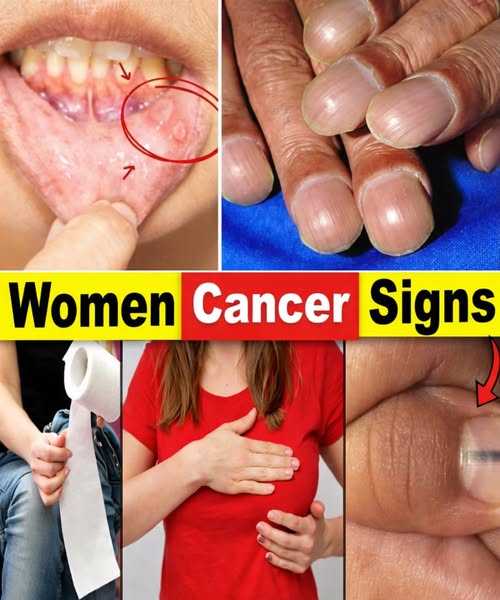
Here are 14 visible signs every woman should pay attention to:
- Unusual Breast Changes
Lumps, thickening, skin dimpling, nipple discharge (especially bloody), or changes in breast shape should be checked promptly. - Skin Changes
New moles, changes in the size or color of existing moles, sores that do not heal, or unusual darkening of the skin can be warning signs. - Unexplained Weight Loss
Losing weight without trying, especially more than 5–10% of body weight, may signal an underlying issue. - Persistent Bloating
Ongoing abdominal swelling or pressure that lasts more than a few weeks should be evaluated. - Abnormal Vaginal Bleeding
Bleeding between periods, after menopause, or after intercourse should never be ignored. - Chronic Fatigue
Extreme tiredness that does not improve with rest can sometimes be a symptom of certain cancers. - Changes in Bowel Habits
Persistent diarrhea, constipation, blood in stool, or narrow stools may require medical attention. - Difficulty Swallowing
Trouble swallowing that continues over time should be assessed. - Ongoing Cough or Hoarseness
A cough lasting more than three weeks or unexplained voice changes may need evaluation. - Swollen Lymph Nodes
Lumps in the neck, armpits, or groin that do not go away can be a warning sign. - Pelvic or Abdominal Pain
Persistent pain or pressure in the lower abdomen should not be dismissed. - Changes in Urination
Blood in urine, pain while urinating, or frequent urination without infection should be checked. - Non-Healing Sores
Any wound or mouth sore that does not heal within a few weeks should be examined. - Thickening or Lump in Any Area
Any unusual lump in the body that grows or does not disappear needs medical evaluation.
It is important to remember that many of these symptoms are often caused by non-cancerous conditions. However, if a symptom lasts longer than two to three weeks, worsens, or feels unusual for your body, consult a healthcare professional.
Regular screenings such as mammograms, Pap smears, and routine checkups play a vital role in early detection. Listening to your body and seeking medical advice early can make a significant difference.