
Saying goodbye to a beloved pet is one of the hardest experiences for any pet owner. Dogs often show physical and behavioral changes as their bodies slow down with age or illness. Recognizing these signs can help you provide comfort and make thoughtful decisions for your companion.
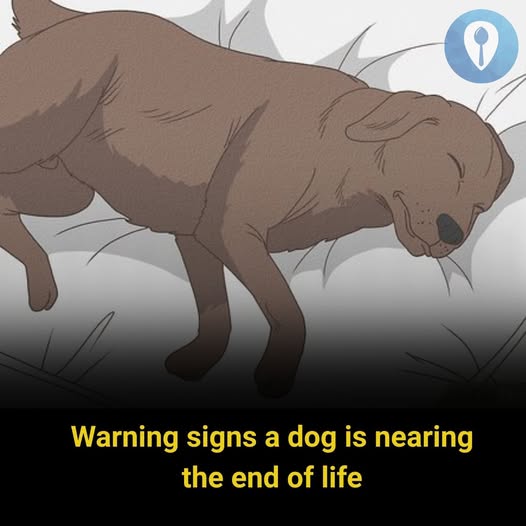
Here are some common signs that a dog may be approaching the end of life.
1️⃣ Extreme Tiredness and Weakness
Dogs may sleep much more than usual and show little interest in activities they once loved, like walks or playing.
2️⃣ Loss of Appetite
A noticeable decrease in eating or drinking can happen when the body begins to shut down.
3️⃣ Difficulty Moving
Your dog may struggle to stand, walk, or climb stairs. Joint pain and muscle weakness often become more severe.
4️⃣ Changes in Breathing
Breathing may become slow, shallow, or irregular. Sometimes dogs may breathe faster or appear to struggle.
5️⃣ Loss of Interest in Surroundings
Dogs may stop responding to their name, toys, or family members and seem withdrawn.
6️⃣ Digestive Problems
Vomiting, diarrhea, or frequent stomach upset can occur as organs become weaker.
7️⃣ Incontinence
Loss of bladder or bowel control may happen as muscles weaken.
8️⃣ Confusion or Disorientation
Older dogs may experience cognitive decline similar to Canine Cognitive Dysfunction, which can cause confusion, wandering, or staring into space.
9️⃣ Body Temperature Changes
Your dog’s body may feel cooler than usual, especially around the paws and ears.
🔟 Seeking Isolation
Some dogs prefer to hide or spend time alone when they feel very unwell.
1️⃣1️⃣ Sudden Personality Changes
A normally friendly dog may become quiet, anxious, or unusually clingy.
❤️ What You Can Do for Your Dog
If you notice several of these signs, it’s important to speak with a veterinarian. They can help assess your dog’s condition and discuss options to keep them comfortable.
Providing a calm environment, gentle affection, and pain management can make a big difference during this sensitive time.
🐾 Dogs give us years of unconditional love. Being aware of these signs helps owners support their pets with compassion and dignity when they need it most.